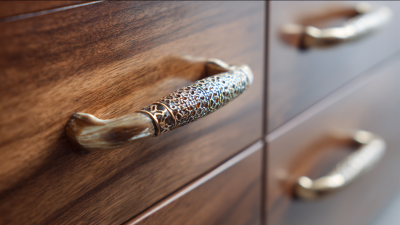
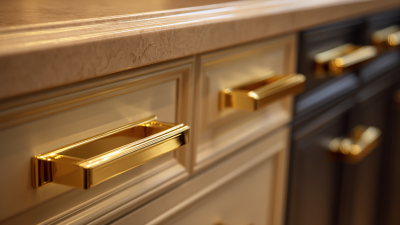
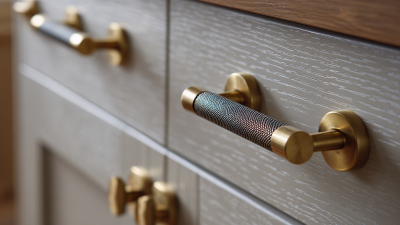
It's amazing how much the right Drawer Handles can change a piece of furniture – not just the look, but the whole feel and even how it works. A plain old cabinet? Slap on some brushed brass handles, and suddenly it feels warm and inviting. A sleek modern unit, on the other hand, might need those slim black pulls to keep things balanced. And these little details? They're what your hand touches every single day. Plus, they can totally sway someone's opinion about the quality of the piece.
You know, Cabinet Hardware expert Richard Landon once put it perfectly: “A handle is the handshake of a piece of furniture.” It's a simple comparison, but it really sticks with you. Think about it—a good handshake feels comfortable, confident, and fits the situation. Well, drawer handles should do exactly that. They need to be the right size for the drawer front, not too big or too small. The projection has to give your fingers enough room to grab hold without feeling cramped. And the finish? It should blend in with the room's vibe, not shout over it. Basically, they should complement the space, not compete with it.
Here's the thing: practical experience really matters. At Hafele, the folks who design and manufacture the hardware—they're constantly checking for grip, load, finish, and how consistent the installation is. And you'd be surprised: even the prettiest handles can feel totally off if they're mounted too high or too close together, as many home builders find out the hard way. That's a tiny detail that's super easy to overlook. But it shouldn't be.
Now, about materials – you can't just pick any. Solid brass? It ages really nicely, getting this richer look over time. Stainless steel is clean and super reliable, no complaints there. And ceramic handles? They definitely add charm, but you've got to be a bit careful with them – they're not as tough. Honestly, there's no one-size-fits-all answer. The right pick really depends on what the furniture is used for, how much wear and tear it'll see, and what else is around it. So yeah, it's all about the context.
Still, let's face it—design decisions are rarely perfect. You might find a handle that looks amazing in the showroom, but once it's on your actual drawer at home, it suddenly feels way too big. Yeah, measuring twice is a start, but honestly, testing just one handle first? That's where the real difference lies. This guide is all about why you shouldn't just grab any drawer handle off the shelf, and how picking the right one can genuinely tie your whole furniture project together—like, that final touch that makes it feel complete.
Types of Drawer Handles and Their Functional Roles
Drawer handles are small components, but they influence daily comfort, access, and visual balance. Grand View Research valued the global furniture market at USD 516.66 billion in 2022 and forecasts a 5.2% annual growth rate through 2030. In this expanding market, hardware deserves practical attention, not decoration alone. A well-chosen handle should match the drawer’s weight, opening direction, and frequency of use.
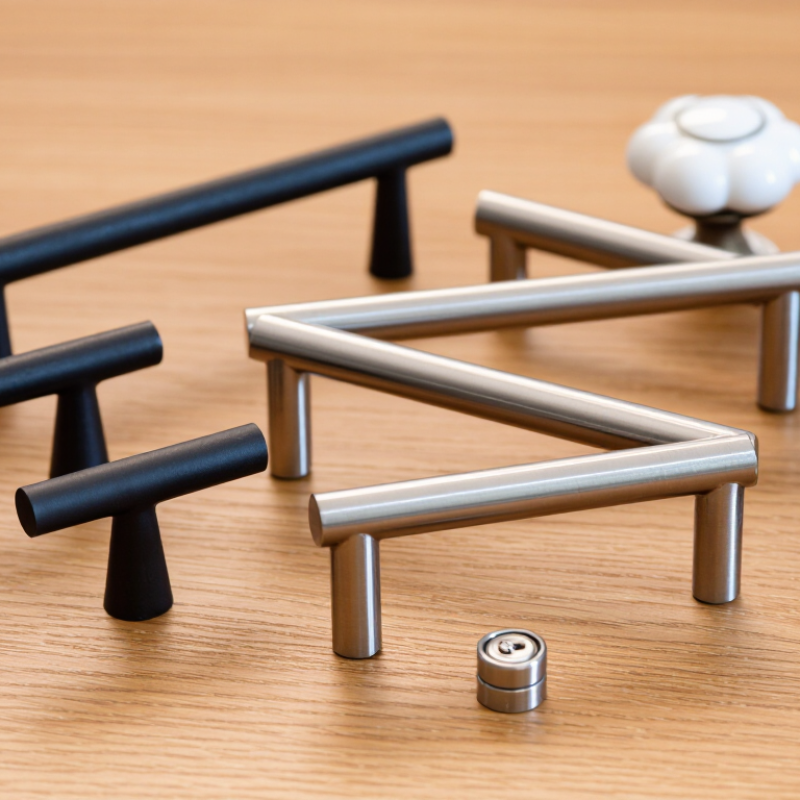
Knobs suit compact drawers and traditional furniture. They need only one mounting point. However, a heavy kitchen drawer may twist slightly when pulled from one side. Pull handles distribute force better and give wet or tired hands more control. Edge pulls create a clean, nearly hidden appearance. They can support minimalist furniture, but shallow profiles may feel difficult to grip. Cup pulls provide finger support for vintage-style drawers. They are less comfortable when installed too low.
The 2024 U.S. Houzz Kitchen Trends Study surveyed 1,761 homeowners about renovation decisions, showing the value of studying real household behavior. Designers should measure hand clearance before selecting a style. A 96-millimeter pull may look balanced on paper but feel cramped beside a thick frame. Test the handle with one hand. Then test it with gloves. A perfect-looking choice can still fail. Surface finish also matters; textured coatings can hide fingerprints, while polished metal reveals them quickly. Product specifications, mounting strength, and corrosion resistance should be checked against applicable hardware standards. Industry reports guide decisions, but the drawer’s real user remains the final test.
How Drawer Handles Improve Furniture Usability
Why Choose Drawer Handles for Your Furniture Projects?
A well-chosen drawer handle makes furniture easier to use every day. It gives your fingers a firm, comfortable pulling point, even when the drawer is full. In workshop projects, I have found that handle placement often matters more than decoration. A handle mounted too high can strain the wrist. One placed too low may feel awkward during repeated use. Rounded edges also feel safer on bedside tables and children’s storage units. Small changes matter. Handle design should match the drawer’s weight, opening direction, and expected frequency of use.
Tips: Measure the drawer front before drilling. Mark both holes with a template, then test the grip by hand. Check the Drawer Slides too, because a smooth handle cannot fix a stiff mechanism. Leave enough clearance for knuckles, especially on deep drawers. Choose screws that fit the panel thickness without extending inside. Test before finishing. This prevents visible mistakes.
Material affects long-term reliability. Solid metal usually provides a steady grip, while textured surfaces help when hands are damp or dusty. However, heavier handles can loosen weak panels over time. I once preferred a slim design for its clean appearance, but daily use showed its narrow grip was less practical. That result was a useful reminder: furniture should serve the user first. A simple handle can improve access, reduce pulling effort, and make storage feel more natural.
Key Materials Used in Drawer Handle Manufacturing
Why Choose Drawer Handles for Your Furniture Projects?
Material choice shapes how Drawer Pulls feel, age, and perform. In workshop testing, aluminum handles feel light and resist ordinary humidity. The U.S. Geological Survey reported about 70 million metric tons of primary aluminum production worldwide in 2023. That scale supports stable supply, though recycled content still deserves closer attention.
Stainless steel suits kitchens, bathrooms, and heavily used storage. World Stainless reported global crude stainless steel production of approximately 58.4 million tonnes in 2023. Its chromium content helps form a protective surface against corrosion. However, surface quality depends on finishing, cleaning habits, and the surrounding environment. Brushed textures can disguise fingerprints. Polished surfaces show them immediately. Small detail, big difference.
Zinc alloy allows complex shapes and a substantial hand feel. Manufacturers can cast curved edges, recessed grips, and fine decorative profiles. Solid brass offers warmth and develops a darker patina over time. That change may be attractive, but not everyone wants visible aging. Wood handles bring tactile softness and varied grain, yet moisture can cause swelling if sealing is poor. I have seen attractive handles fail because the mounting area was ignored. A strong material cannot repair weak screws or thin drawer panels. Specification sheets help, but real samples reveal more. Touch them. Pull repeatedly. Then question the first choice.
Choosing Handle Styles for Different Furniture Designs
Why Choose Drawer Handles for Your Furniture Projects?
Choosing Handle Styles for Different Furniture Designs
Handle style can change how a furniture piece feels before anyone opens a drawer. I have found that proportion matters more than decoration. A wide handle suits a deep dresser, while a small knob can balance a narrow bedside table. Measure the drawer front first. Then check the handle length against its visible width.
Shaker furniture usually benefits from simple bar pulls or modest cup pulls. Their clean shapes support the recessed panels without competing with them. Flat-panel cabinets allow more freedom. Slim metal handles create a modern line, while wooden pulls add warmth to a home office or storage unit. Glass-front furniture needs restraint. A small round knob may keep the contents visually calm.
Rustic designs can accept textured finishes, though too much texture may catch clothing. That mistake is easy to miss in a workshop. I once selected a beautiful oversized pull, but it made a small cabinet look heavy. The design needed less hardware, not more. Security Door Handles belong to entry doors, not ordinary drawers, yet their solid appearance can inspire sturdy proportions. Consider touch points, hand comfort, screw placement, and daily use. A handle should feel natural after repeated opening, not merely look attractive in a product photograph.
Comparing Drawer Handles With Alternative Hardware Options
Why Choose Drawer Handles for Your Furniture Projects?
Comparing Drawer Handles With Alternative Hardware Options
When planning furniture, drawer handles offer a practical balance between comfort, access, and visual character. I have tested slim handles on workshop cabinets and found them easier to grip with wet or dusty hands. Their raised shape also keeps fingers away from the drawer front. That small gap matters. Knobs need only one mounting point, so they suit compact drawers and simple designs. However, a small knob can feel awkward on wide, heavy drawers.
Recessed pulls create a clean profile and reduce the chance of catching clothing. They work well on hallway storage or furniture placed in narrow walkways. Installation demands more accuracy, though. A poorly cut recess can expose uneven edges that are difficult to repair. Push-to-open fittings remove visible hardware entirely, creating a smooth modern surface. In daily use, they can feel elegant, but dust, alignment, and spring strength affect reliability. I once assumed they were maintenance-free. That assumption was wrong.
Drawer handles remain a strong choice when frequent use matters. Their length can distribute pulling force across a drawer front, reducing stress around one small fixing point. Metal handles usually provide a firm, cool touch, while wood or ceramic options add warmth and texture. Measure the drawer width, check screw length, and consider hand clearance before drilling. A handle may look perfect in a sample photo, yet feel uncomfortable after repeated use. Furniture Hardware deserves testing, not just decoration.
Conclusion
Drawer Handles play an important role in both the appearance and everyday function of furniture. Available in various forms, including bar pulls, knobs, cup pulls, and recessed designs, they provide a practical grip that makes drawers easier to open and close. Their shape, size, and placement can improve comfort, accessibility, and overall usability, while materials such as metal, wood, ceramic, glass, and durable synthetic compounds offer different levels of strength, texture, and visual appeal.
Selecting the right handles requires considering the furniture’s design, proportions, and intended use. Sleek handles can complement modern pieces, while decorative or traditional styles may suit classic furniture. Accurate measurement and consistent positioning are essential for a balanced result, so the drawer width, handle spacing, and installation height should be checked carefully before drilling. Compared with alternative hardware options, Drawer Handles often provide a combination of easy operation, flexible styling, reliable durability, and simple replacement, making them a practical choice for many furniture projects.