Global buyers are starting to see Door Accessories differently—as functional infrastructure, not just decorative extras. Fortune Business Insights put the global Door Hardware market at around USD 17 billion in 2023, and its report points to steady growth through 2032, helped along by construction, renovation, and security upgrades. Grand View Research sees similar momentum in door handles. That said, market numbers shift depending on product scope and region. And let's be honest: numbers alone won't tell you which hinge, closer, lock, orDoor Handle Accessories is right.
Dr. Joseph Lstiburek, a well-respected building-science expert, once said, “A building is a system.” At every doorway, that idea matters. A heavy fire-rated door needs hinges that match, closers that have been tested, and installation that's accurate. A hotel entrance has to be durable, accessible, and quiet. A residential project might care more about corrosion resistance than fancy connectivity. The small stuff counts. Finish quality, cycle testing, packaging, and how easy replacements are to get can all shape lifetime cost. Buyers should also look at regional standards, climate exposure, and whether installers can actually handle the product before approving a supplier. Certification claims? They deserve checking. A glossy catalogue doesn't prove much.
This article looks at the top Door Accessories for global buyers—hinges, handles, closers, seals, thresholds, stops, and access-control components. It focuses on practical value instead of chasing whatever spec is fashionable. Some conclusions may not be perfect. Product performance can vary from building to building, installer to installer, and climate to climate. That uncertainty is worth being honest about. Reliable sourcing means documented testing, clear warranties, traceable materials, and technical support that actually responds. The best accessory is rarely the cheapest one. It's the component that keeps working, fits the whole door system, and can still be serviced after it's installed.
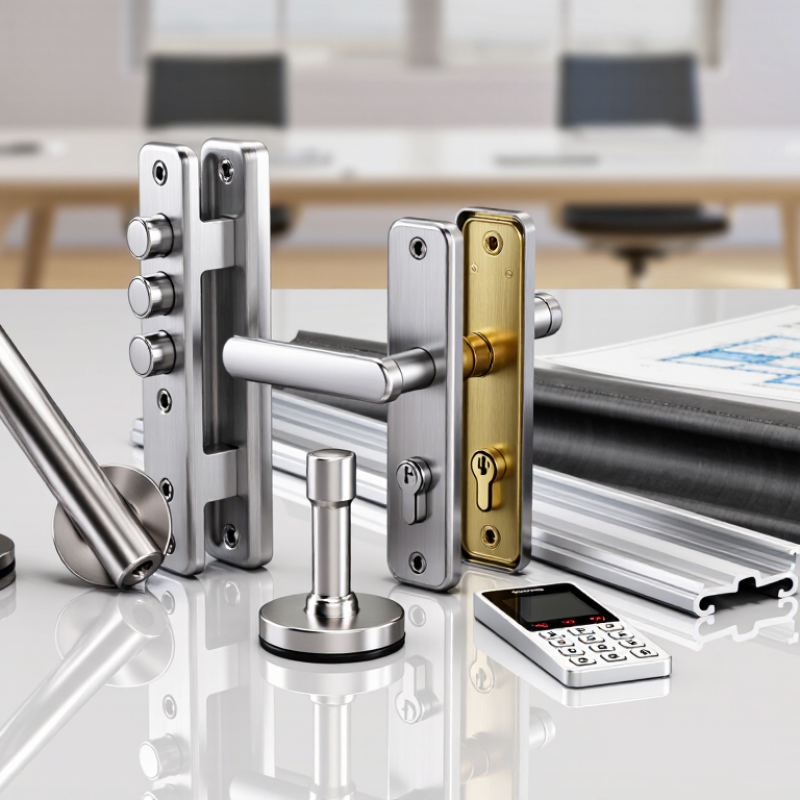
Door Accessoriescover the practical parts that make a door secure, usable, and durable. Handles and Pull Bars provide controlled opening, while hinges carry the door’s weight through thousands of cycles. Door closers regulate movement and reduce slamming. Cylinders, latches, and electronic access units support controlled entry. These components must match the door’s weight, thickness, traffic level, and installation environment.
Performance matters more than appearance. A 2024 UNEP Global Status Report states that buildings consume about 32% of global energy. Proper seals, thresholds, and weatherstripping can reduce drafts around exterior doors. They also help limit noise, dust, and moisture. Fire-rated doors need compatible closers, hinges, and seals tested as a complete assembly. Mixing attractive parts without checking certification can create a serious weakness. The catalog may look perfect.
Accessibility is another core function. The World Health Organization reports that about 1.3 billion people experience significant disability worldwide. Lever handles, low-force closers, and clear opening space can improve daily use. For coastal projects, buyers should request corrosion-resistant finishes and documented salt-spray results. For hotels and offices, cycle-test data reveals more than polished photographs. I would also question very low prices. They may hide weaker springs, thin plating, or limited spare-part support.
A reliable purchasing checklist should include dimensions, materials, load ratings, fire performance, warranty terms, and replacement availability. Door Accessories work best as a coordinated system, not as isolated decorative items.
Choosing door accessories starts with the door material, not appearance. Solid timber doors often need strong hinges, adjustable closers, and handles with long fixing screws. Their weight can change with moisture. I have seen poorly matched hinges cause rubbing within months. Steel doors require corrosion-resistant hardware and accurate drilling. For aluminum doors, select lightweight components that avoid frame distortion.
Glass doors need specialized clamps, patch fittings, and seals. These parts must distribute pressure evenly. Excessive tightening can damage the glass. In humid coastal areas, stainless steel or treated metal usually performs better. Interior offices may need quieter closers and lever handles. Hotels often require durable locks, privacy functions, and easy maintenance. Public buildings need accessible opening forces and clear operating space.
Application conditions matter as much as material. Fire-rated doors should use compatible, tested accessories. Emergency exits require hardware that supports safe egress and local regulations. Outdoor doors need drainage, weather seals, and finishes tested against rain and ultraviolet exposure. Check load ratings, cycle tests, screw compatibility, and replacement availability before ordering. Small details matter. A beautiful handle is useless if installers cannot service it locally. Measurements can also vary between suppliers, so confirm drawings and tolerances before production. Mistakes happen, especially during rushed projects. A careful sample installation can reveal them early.
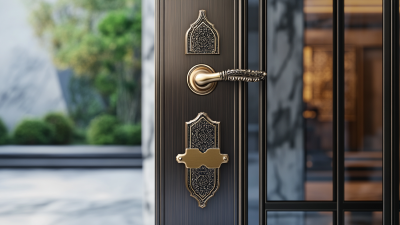
Global buyers often begin with the handle, but security depends on the entire door system. Security Door Handles should resist forced turning, corrosion, and repeated daily use. A solid internal spindle and concealed fixing points can reduce tampering around the lock area.
Safety features deserve equal attention. Door closers should control speed without creating a sudden slam, especially in schools, hospitals, and apartment buildings. Emergency exit hardware must allow quick opening from inside without special knowledge. Fire-rated doors also need compatible hinges, seals, frames, and closers. One weak component can affect the whole assembly.
Test the accessory under realistic conditions. Check salt-spray performance for coastal buildings, low-temperature operation for cold regions, and cycle durability for busy entrances. A tactile grip helps users with wet or limited-strength hands. Smooth edges reduce snagging on clothing. Small details matter.
Local requirements vary widely. Buyers should verify fire, accessibility, security, and emergency-egress rules before ordering. Product documents should show material details, test methods, installation limits, and maintenance guidance. A low price may hide weak fixings or poor dimensional accuracy. That risk is easy to underestimate. Even experienced teams can miss door alignment, so inspect the complete opening after installation and adjust the closer, latch, and strike together.
Reference standards help global buyers compare essential security and safety functions across major door-accessory categories. The chart shows the number of widely used international or regional standards commonly referenced for each category.
Reference basis: The comparison reflects commonly used standards such as EN 12209, EN 1125, EN 179, EN 1154, EN 1935, EN 1303, ANSI/BHMA A156.1, A156.3, A156.4, A156.5, A156.13 and UL 1034. Buyers should verify the applicable fire, egress, durability and security requirements for the destination market.
Weatherstripping, insulated thresholds, and adjustable hinges help limit drafts around the frame. A properly sealed door can reduce heating and cooling loss in busy buildings. However, performance depends heavily on accurate installation and local climate conditions. Small gaps matter.
Lever handles are easier to operate than round knobs, especially for people with limited hand strength. Wood Door Handles can provide warmth and grip, but their finish should resist moisture and frequent cleaning. Clear opening widths, low thresholds, and manageable closing force also support wheelchair users and older adults. Measure twice. Door hardware should match regional accessibility requirements.
Keypad entry, mobile credentials, occupancy sensors, and remote status alerts are useful in homes, offices, and rental properties. Buyers should check battery life, offline operation, data protection, and emergency access before ordering. A smart lock that fails during a power outage is not truly convenient. Compatibility can also be overlooked when doors use unusual thicknesses or multipoint locks. Specifications should be verified with the installer, not assumed from product photographs.
What Are the Top Door Accessories for Global Buyers?
Choosing door accessories for international markets requires more than attractive photographs. Handle length, hinge capacity, lock preparation, and door thickness must match local construction habits. I have seen small measurement errors delay entire shipments. A two-millimeter mismatch can make installation frustrating.
Regional preferences also shape finish selection. Brushed metal often suits modern commercial interiors, while darker finishes may complement traditional residential doors. In humid or coastal areas, buyers should request corrosion-resistant materials and protective surface testing. In dry climates, dust-resistant mechanisms can reduce maintenance. Polished surfaces look impressive, but they show fingerprints quickly. That choice deserves honest review.
Design must support daily use, not only visual appeal. Lever handles can assist users with limited grip strength, while rounded knobs may suit certain traditional interiors. Door closers should be selected according to door weight, opening frequency, and local accessibility requirements. Verify these details with qualified professionals. Local building, fire, and safety rules can differ significantly. Samples matter. Buyers should test finish consistency, screw alignment, operating force, and packaging before placing large orders. A catalog specification may appear complete, yet real doors can vary in tolerances. That is where planning sometimes fails. My practical preference is to compare two or three sample configurations under actual site conditions before confirming the final design.
Global buyers should evaluate door accessories as working components, not decorative add-ons. Door Closers need controlled closing speed, suitable weight ratings, and corrosion resistance for humid sites. Ask suppliers for test reports, material specifications, warranty terms, and installation drawings. A sample can still mislead. Test hinges, seals, and closers together on a real-size door.
Quality claims require traceable evidence. Request batch numbers, inspection records, and photos taken before packing. Check whether testing follows recognized standards, such as EN 1154 for mechanical door closers. ISO 9001 certification can support process control, but it does not guarantee every shipment. I have seen polished samples fail when screws stripped during installation. That small detail matters.
Pricing should include tooling, packaging, spare parts, inspection, insurance, and import charges. Compare landed cost, not only the unit price. The World Bank’s Logistics Performance Index 2023 highlights customs, tracking, and delivery reliability as major logistics factors. Delivery planning also needs realism. UNCTAD’s Review of Maritime Transport 2024 states that more than 80% of world merchandise trade by volume moves by sea. Confirm the Incoterm, production lead time, port, documents, and delay responsibility. A cheaper quote may become expensive after storage fees and missed construction deadlines. Suppliers should offer shipment tracking and a clear remedy for shortages.
| Evaluation Dimension | Door Accessory Category | Recommended Specification or Benchmark | Verification Method | Indicative Commercial Data | Buyer Risk-Control Action |
|---|---|---|---|---|---|
| Product Selection | Door handles and lever sets | Use corrosion-resistant stainless steel, zinc alloy, or aluminum; confirm spindle size, backset, rose diameter, and door-thickness compatibility. | Review technical drawings, dimensional samples, material declarations, and installation instructions. | Typical wholesale range: US$3–25 per set Indicative only; finish, lock function, packaging, and order volume affect the price. | Approve a pre-production sample and require written confirmation of dimensions and surface finish. |
| Product Selection | Hinges and pivot hardware | Check load rating, bearing type, pin design, screw-hole pattern, material thickness, and suitability for interior or exterior use. | Compare rated load with the actual door weight; inspect hinge movement and mounting-hole accuracy. | Typical wholesale range: US$0.50–8 per hinge Heavy-duty, concealed, and adjustable designs normally cost more. | Request cycle-test evidence and specify minimum thickness, tolerance, and corrosion requirements in the purchase order. |
| Product Selection | Mortise locks and cylindrical locks | Confirm lock case dimensions, center distance, backset, latch bolt type, key profile, and compatibility with local door standards. | Conduct fit tests on the target door profile and check exploded drawings and replacement-part availability. | Typical wholesale range: US$4–35 per lockset Price varies by security level, material, cylinder type, and finishing. | Use a region-specific specification sheet to avoid incompatibility with local doors and cylinders. |
| Product Selection | Door closers | Confirm power size, adjustable closing speed, backcheck function, maximum door width and weight, and fire-door suitability where applicable. | Review tested performance, installation templates, adjustment range, and applicable local building requirements. | Typical wholesale range: US$15–100 per unit Concealed and high-duty models generally fall at the upper end. | Specify the required door mass, width, opening angle, and operating temperature before quotation. |
| Product Selection | Weather seals and door sweeps | Choose EPDM, silicone, brush, or PVC profiles according to temperature, UV exposure, water resistance, and gap size. | Measure compression, recovery, adhesive strength, and resistance to aging or cracking. | Typical wholesale range: US$0.50–6 per meter Profile geometry, adhesive backing, and order length affect the final cost. | Approve color, profile cross-section, hardness, and required cut lengths before mass production. |
| Material Quality | Stainless-steel accessories | Common grades include 304 for general indoor and many outdoor applications and 316 where chloride or marine exposure is significant. | Request material test reports or composition testing; visually inspect polishing, welds, and surface uniformity. | Material traceabilityFinish consistency | State the required grade in the contract; do not accept “stainless steel” without a defined grade. |
| Surface Finish | Plated, painted, PVD, and anodized finishes | Specify color tolerance, coating type, gloss level, abrasion resistance, and corrosion-performance expectations. | Use a sealed master sample, visual comparison under standard lighting, adhesion checks, and relevant corrosion testing. | Sample approval is essential Finish warranties should define exclusions for harsh chemicals, salt exposure, and improper cleaning. | Keep an approved reference sample and define acceptable color and surface-defect limits. |
| Functional Quality | Mechanical operation | Handles should return smoothly, latches should retract fully, hinges should move without binding, and locks should operate with the specified key or thumbturn. | Perform incoming inspection, torque checks, repeated-operation tests, and installation trials. | Suggested incoming defect target: ≤1.0% The target should be agreed with the supplier and linked to corrective-action procedures. | Use an approved inspection plan with critical, major, and minor defect classifications. |
| Supplier Capability | Production and quality systems | Prefer suppliers with documented process controls, incoming-material inspection, final inspection, calibration records, and corrective-action procedures. | Review audit records, quality manuals, process flow charts, and sample inspection reports. | ISO 9001 evidenceTraceable batches | Verify that any management-system certificate belongs to the actual manufacturing facility and is still valid. |
| Compliance | Fire, building, and market requirements | Requirements vary by destination and product type; fire-door hardware, emergency exit hardware, and electronic locks may require specific testing or approvals. | Check destination-country regulations, test reports, declarations, labeling rules, and installation requirements. | Compliance cost should be quoted separately | Identify mandatory requirements before sampling; never treat a general quality certificate as product approval. |
| Pricing | Quotation structure | Compare unit price, tooling, sample fees, packaging, labels, inspection, documentation, inland freight, and export charges. | Use a standardized request-for-quotation template with identical specifications and quantities. | Request at least three comparable quotations | Evaluate total landed cost rather than unit price alone. |
| Pricing | Minimum order quantity | MOQ depends on product complexity, packaging, finish, and whether tooling or customized components are required. | Ask for separate prices at sample, trial, and commercial-order volumes. | Common range: 50–500 units for standard accessories Customized finishes and packaging may require higher quantities. | Negotiate a low-volume pilot order before committing to a large annual quantity. |
| Payment Terms | Commercial payment structure | Use milestone-based payments linked to sample approval, production completion, inspection, and shipping documents. | Confirm beneficiary details through a verified communication channel and review the pro forma invoice. | Common structure: 30% deposit and 70% balance before shipment Terms vary by supplier history, order size, and buyer credit profile. | Use stronger protection for the first order, such as third-party inspection before balance payment. |
| Delivery | Production lead time | Lead time should begin only after specification, artwork, deposit, and sample approval are complete. | Request a production schedule with dates for material purchasing, production, inspection, packing, and dispatch. | Typical standard-order lead time: 15–45 days Custom tooling, special finishes, and peak-season capacity can extend the schedule. | Include a latest acceptable ship date and written notification requirements for delays. |
| Delivery | Sample and pre-production approval | Samples should represent the final material, dimensions, finish, packaging, and markings. | Record approval comments and retain a signed or digitally acknowledged golden sample. | Typical sample preparation: 3–10 working days | Do not approve production from photographs alone when fit, finish, or function is critical. |
| Delivery Terms | Incoterms and freight responsibility | Define the applicable Incoterms® rule, named place, insurance responsibility, export clearance, import clearance, and risk-transfer point. | Check the commercial invoice, packing list, bill of lading or airway bill, and agreed shipping terms. | EXWFCAFOBCIFDAP | Compare offers using the same Incoterms rule and destination; avoid comparing an EXW price with a delivered price. |
| Packaging | Retail and export packaging | Packaging should protect finishes, prevent metal-to-metal abrasion, resist moisture, and display required carton markings. | Conduct carton-drop checks, moisture inspection, barcode verification, and pallet-load review. | Packaging may add 3–15% to product cost The impact depends on individual boxes, printed materials, inserts, and palletization. | Approve packaging artwork and define carton quantity, gross weight, dimensions, and labeling before production. |
| After-Sales Support | Warranty and replacement parts | Define warranty period, covered failures, exclusions, spare-parts availability, response time, and replacement procedure. | Review the warranty document and test the supplier’s response using technical questions before ordering. | Common warranty range: 12–24 months Coverage must be tied to installation, usage, and environmental conditions. | Keep critical spare parts and require a corrective-action report for repeated defects. |

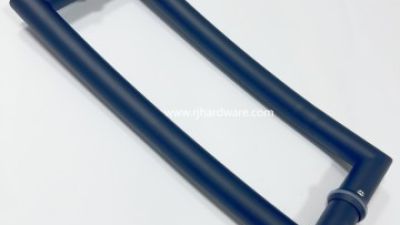
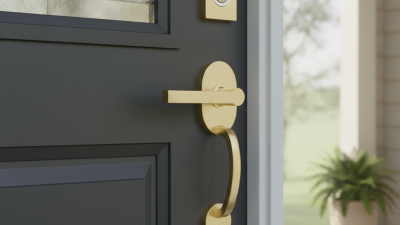
Modern entryways are being designed as practical, high-traffic spaces rather than purely decorative zones. A 2024 residential remodeling survey reported that homeowners continue to prioritize durable finishes and low-maintenance materials when updating frequently used areas. In this setting, a 25mm curved black door handle offers a balanced combination of comfort, proportion, and contemporary style. Its rounded profile feels natural in the hand, while the compact diameter suits both modern apartments and larger family homes without appearing oversized.
When choosing a handle, construction quality should come before appearance. Look for corrosion-resistant metal, a firmly engineered fixing system, and a surface treatment designed to reduce visible fingerprints and everyday wear. Industry guidance for residential hardware commonly recommends testing handles through repeated operating cycles, making smooth movement and secure mounting important indicators of long-term performance. A curved design can also reduce sharp contact points, which is useful in narrow hallways and busy entrance areas.
Black hardware remains a strong interior trend: the 2024 design-trends reporting from a leading kitchen and bath industry association identified dark, low-sheen finishes as a continuing preference for contemporary homes. Pairing the 25mm handle with light timber, white walls, stone flooring, or brushed metal accessories creates clear visual contrast while maintaining a refined look. For a cohesive entryway, select matching hinges, locks, and hooks with similar tones and choose a finish that is easy to clean and suitable for daily use.
Choose handles with solid internal spindles and concealed fixing points. They should resist forced turning, corrosion, and daily wear. Small details matter.
A suitable closer controls speed without causing sudden slamming. Check door weight, opening frequency, and accessibility needs. Test it on a real door.
It should open quickly from inside without special knowledge. Buyers must verify local emergency-egress requirements before ordering. Keep operation simple.
Hinges, seals, frames, closers, and other hardware must be compatible. One weak component can affect the complete assembly. Do not judge one part alone.
Request salt-spray testing for coastal buildings and low-temperature testing for cold regions. Check dust resistance in dry areas. Conditions change everything.
Match handle length, hinge capacity, lock preparation, and door thickness. Compare samples for screw alignment and finish consistency. A two-millimeter mismatch can delay installation.
Ask for material specifications, test reports, inspection records, batch numbers, and installation drawings. Test hinges, seals, and closers together. Samples can still mislead.
Compare landed cost, including packaging, inspection, insurance, import charges, and spare parts. Confirm production time, shipping terms, documents, and delay responsibility. Cheap quotes sometimes become expensive.
Choosing the right Door Accessories is essential for creating secure, durable, and user-friendly door systems in global markets. Key products include hinges, handles, locks, closers, stops, seals, thresholds, and electronic access components, each serving a specific function. Selection should consider the door’s material, weight, location, traffic level, climate, and intended application. Security features such as strong locking mechanisms, controlled access, fire-resistant components, and reliable emergency operation can improve protection and safety when properly specified.
Global buyers should also evaluate energy efficiency, accessibility, smart functions, and compatibility with regional building practices. Sizes, finishes, colors, and design styles may need to reflect local preferences while maintaining long-term performance. When comparing suppliers, buyers should review material quality, testing procedures, product consistency, customization capability, pricing, minimum order quantities, packaging, lead times, warranties, and delivery terms. A dependable supplier should provide clear technical information and responsive support, helping buyers balance appearance, functionality, safety, and total purchasing cost.