Picking out the right Weatherproof Handles isn’t just about how they look. Sure, a handle might seem tough and stylish under showroom lighting, but after months of exposure to rain, salt, dust, or heavy use, it might fall apart. The little details really do matter, and so does the environment where they’re used.
Elena Marlowe, who’s the Product Engineering Director at HarborLatch Systems, explains, “When choosing a weatherproof handle, you’ve got to consider where it’s going to be, not just how shiny or fancy it looks.” She’s got years of experience testing products in coastal areas, outdoor cabinets, garden gates, and industrial settings. In spots like these, tiny flaws show up fast — water pooling around screws, coatings fading, materials becoming brittle in the cold, or regular contact wearing down surfaces.
This guide shares seven practical tips to help you pick Weatherproof Handles with more confidence. We’ll cover things like quality of materials, how well they resist corrosion, sealing designs, grip comfort, mounting strength, maintenance needs, and how reliable the supplier is. Each tip links the product features to real-world conditions — think about a heavy rain soaking a warehouse door or muddy hands grabbing a storage cabinet.
Look, no handle is perfect. That’s just reality. Even stainless steel needs to be installed correctly and cared for properly. A fancy finish can’t fix a weak base or bad fasteners. I’ve seen good-looking hardware fail because the door around it soaked up moisture — a mistake that’s easy not to notice.
The point isn’t to find the most expensive handle out there. It’s about choosing one that fits your climate, how much use it gets, who’s using it, and the surface it’s on. With some careful comparison, weatherproof handles can stay secure, comfortable, and reliable for a long time.
Before choosing a weatherproof handle, define the conditions it must withstand. A handle beside a coastal door faces salt spray, strong wind, and constant moisture. One installed on a delivery vehicle may experience vibration, road dust, sunlight, and sudden temperature changes.
Record the actual environment, not an ideal one. Measure the highest and lowest temperatures, then consider freeze-and-thaw cycles. Note whether water comes from rain, cleaning, condensation, or direct spray. Ultraviolet exposure can weaken some finishes over time. In industrial areas, airborne chemicals may matter more than rainfall.
Small details count.
Ask how often people will operate the handle with wet, dirty, or gloved hands. Check whether trapped water can drain from the mounting area. A sealed design may resist moisture, but poor installation can still create corrosion behind the fitting. I have seen durable hardware fail because water collected around an unsealed screw.
That mistake is easy to miss.
Use these observations to set practical performance requirements. Specify corrosion resistance, temperature tolerance, impact strength, and the expected operating cycle. If salt, grit, or cleaning chemicals are present, request test evidence that matches those conditions. Laboratory results help, but they cannot replace a realistic site inspection. Weather rarely behaves perfectly. Your specification should allow for that.
7 Tips for Choosing Weatherproof Handles
Choose Materials That Resist Rust, UV Damage, and Corrosion
A weatherproof handle must survive more than rain. It may face salt air, strong sunlight, freezing temperatures, and daily touching. In my experience, material choice decides whether a handle stays dependable or becomes rough and stained. Stainless steel, marine-grade aluminum, and UV-stabilized polymers usually offer strong protection. However, no material performs perfectly in every environment.
Tip 1: Match the material to the location. Coastal doors need excellent salt resistance, while sunny outdoor gates need strong UV stability. Stainless steel can resist rust, but poor-quality alloys may still discolor. Aluminum is lightweight, yet its protective coating can scratch. Small details matter.
Tip 2: Inspect the finish closely. A sealed surface leaves fewer paths for moisture and corrosive particles. Look for even coating, protected edges, and smooth joints. Avoid handles with exposed seams or tiny bubbles under the finish. I once underestimated a small scratch; rust later spread beneath the coating.
Tip 3: Test before installation. Hold the handle in direct sunlight and check its grip temperature. Examine moving parts for stiffness after cleaning. A durable handle should remain comfortable and stable, not merely look attractive. Maintenance also matters. Rinse salt and dirt regularly with clean water, then dry the surface. Harsh cleaners may damage protective layers, so follow the material’s care guidance. Real conditions are often less forgiving than product descriptions.
| Tip | Selection Priority | Recommended Material or Feature | Rust and Corrosion Resistance | UV and Weathering Resistance | Best-Suited Applications | Practical Check Before Purchase |
|---|---|---|---|---|---|---|
| 1 | Choose a corrosion-resistant base material. | Marine-grade stainless steel, preferably 316 | Excellent | Excellent | Coastal doors, gates, outdoor enclosures, and high-humidity locations | Confirm that the fasteners and internal components are also corrosion-resistant, not just the visible handle. |
| 2 | Match the metal grade to the environment. | 304 stainless steel for general outdoor use | Good to very good | Excellent | Residential exterior doors, sheltered patios, and ordinary outdoor installations | Use 316 stainless steel instead when the handle will be exposed to salt spray, chlorides, or swimming-pool chemicals. |
| 3 | Select a finish that limits oxidation and fading. | UV-stable powder coating over aluminum or steel | Good when the coating remains intact | Good to excellent, depending on the coating system | Sun-exposed doors, garden gates, balconies, and outdoor utility cabinets | Look for a coating specified for exterior use and inspect edges, corners, and drilled areas for complete coverage. |
| 4 | Avoid materials that are vulnerable to salt and moisture. | Anodized aluminum with a sealed exterior finish | Good in most outdoor conditions | Good; anodizing helps protect the surface from weathering | Lightweight doors, window systems, cabinets, and areas where reduced handle weight is useful | Check that the anodized layer is sealed and that dissimilar-metal contact is isolated to reduce galvanic corrosion. |
| 5 | Evaluate resistance to UV exposure, not only water. | UV-resistant polymer or reinforced nylon with outdoor-rated additives | Will not rust; chemical resistance varies by formulation | Good when specifically rated for outdoor UV exposure | Pool areas, lightweight access panels, playground equipment, and applications requiring electrical insulation | Verify outdoor UV suitability because untreated plastics can become brittle, chalk, or discolor under prolonged sunlight. |
| 6 | Prevent galvanic corrosion between dissimilar metals. | Compatible handle, screws, washers, and mounting plate materials | Depends on the complete hardware assembly | Depends on the exposed finish | Aluminum doors fitted with stainless-steel hardware and coastal or industrial installations | Use compatible fasteners, insulating washers, or protective barriers where two different metals contact each other in a wet environment. |
| 7 | Consider drainage, cleaning, and long-term maintenance. | Handle designs with sealed joints, smooth surfaces, and no water traps | Improved by proper drainage and routine cleaning | Improved when dirt and salt deposits are removed | All exterior handles, especially those exposed to rain, road salt, sea air, or industrial pollution | Choose a design that can be rinsed with clean water and dried easily; avoid abrasive cleaners that can damage protective finishes. |

Note: Actual service life depends on exposure, installation quality, metal compatibility, coating condition, cleaning practices, and local climate. Salt spray, standing water, chlorides, and industrial pollutants generally require more frequent inspection and maintenance.
Choosing a weatherproof handle is not only about resisting rain. The handle must suit the door, gate, or equipment it serves. A narrow entry door may need a compact lever with a smooth return. A garden gate often benefits from a pull handle that remains easy to grip with wet gloves. For heavy service doors, choose a reinforced design with enough clearance for knuckles and protective clothing. Small details matter.
Weatherproof Exterior Door Handles should match the material and movement of the door. Stainless steel or coated metal can suit exposed entrances, while drainage gaps help prevent trapped water. Sliding gates need a handle that will not catch on nearby rails. Equipment panels may require a low-profile grip, especially where carts or tools pass close by. Check the fixing method, door thickness, and expected use before drilling. A handle that looks strong may still flex under repeated force.
I once selected a deep pull for a narrow gate. It worked, but the grip struck the adjoining post when the gate opened fully. That mistake taught me to test the complete swing, not just the handle in my hand. Measure clearance in rain gear, inspect sharp edges, and confirm that fasteners resist loosening. For coastal or chemical environments, ordinary protection may be insufficient. Ask for corrosion data when exposure is severe. Real conditions are rarely perfect.
7 Tips for Choosing Weatherproof Handles
Tip 1: Test the grip before trusting the finish. Security Door Handlesshould feel stable with wet or gloved hands. A rounded lever usually reduces pressure points. The U.S. Access Board’s ADA Standards limit operating force to 5 pounds-force for many Door Hardware applications. That figure matters. A handle may look strong but still feel tiring after repeated use.
Tip 2: Measure the hand clearance, not only the backset. Leave enough space for knuckles, gloves, and a firm pull. For exterior doors, choose corrosion-resistant materials and inspect the fixing points. ASTM B117 salt-spray testing can compare coatings, but test hours do not guarantee outdoor service life. Coastal air is less forgiving than a sheltered porch. I once underestimated that difference.
Tip 3: Check operation from several angles. The lever should open smoothly without twisting the wrist or pinching fingers. Try it while carrying a parcel. Try it at night. The World Health Organization reports that over 2.2 billion people live with vision impairment, so tactile feedback and clear operation deserve attention. Size also affects confidence; an oversized handle can feel awkward, while a narrow one may slip. Measure twice. A small compromise in comfort can become a daily annoyance.
Check grip comfort, size, weather resistance, and ease of operation before installation.
This practical evaluation model assigns a 100-point priority score to the factors that most affect everyday handle performance outdoors. Grip comfort and weather resistance receive the highest weighting because they directly influence usability, durability, and safe operation in changing conditions.
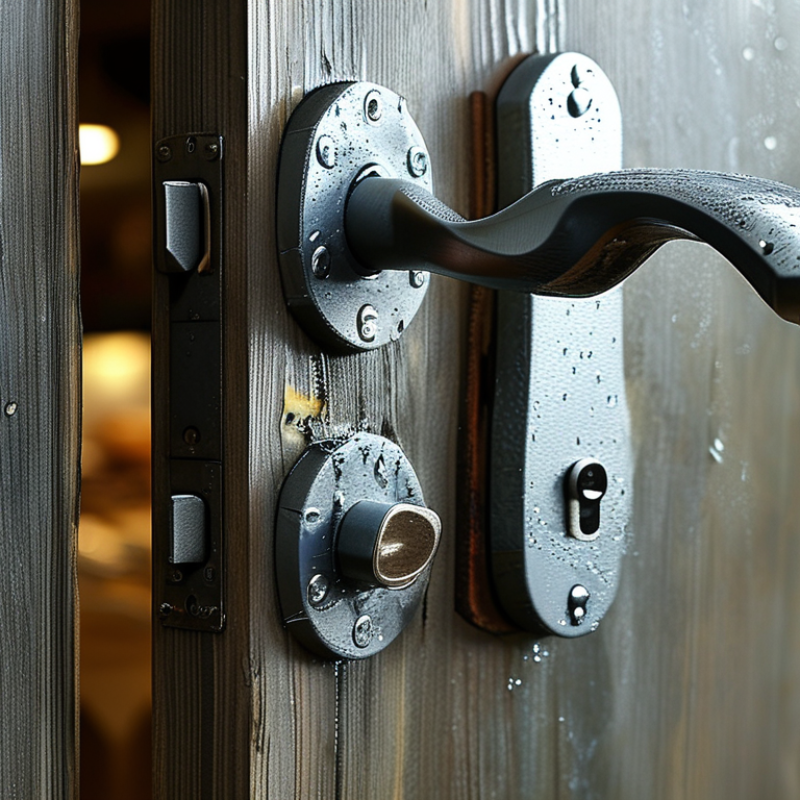
Choosing weatherproof handles starts with the seal around the mounting plate. Look for a flexible gasket that sits flat against the door surface. It should not twist, wrinkle, or leave visible gaps. Press the handle firmly and check for movement. Small gaps can collect rainwater.
Inspect the fasteners carefully. Stainless steel or corrosion-resistant screws usually perform better in damp environments. The screw heads should sit neatly without damaging the seal. Avoid fittings that feel loose after repeated use. Test them several times. For Wood Door Handles, sealed mounting holes can reduce moisture entry into the timber. However, even treated wood may swell when water reaches exposed edges.
Check the handle’s water-resistance design, including drainage paths and covered joints. A smooth surface is easier to dry after heavy rain. Avoid deep grooves that trap dirt and moisture. Installation matters as much as material choice. Keep the handle aligned, tighten fasteners evenly, and repair damaged seals promptly. I once underestimated a tiny gap beneath a plate; rust appeared sooner than expected. That mistake showed me that weatherproofing is not only about a strong finish. It also depends on careful fitting, regular inspection, and realistic exposure to wind-driven rain.
Choosing a weatherproof handle begins with confirming the installation requirements, not the appearance. Measure the door thickness, backset, bore diameter, and existing screw spacing. These details determine whether the handle will fit without forcing the door or weakening its surface. Check the lock body, latch, spindle, and mounting plates together. A handle can look suitable yet fail because its spindle is too short.
Outdoor conditions make small mismatches more serious. Confirm that the selected hardware matches the door material, whether it is timber, metal, composite, or fiberglass. Use fasteners designed for that material, and inspect the supplied seals before installation. They should sit flat around the mounting points, without folds or gaps. I also check drainage paths, because trapped water can corrode screws and stain the door. That step is easy to miss.
Test the handle before tightening everything fully. It should return smoothly, engage the latch completely, and remain stable when pulled from different angles. I once assumed an existing screw pattern would match. It did not. That shortcut caused unnecessary drilling and a poor seal. Recheck the measurements. If the instructions conflict with the door’s construction, pause and seek qualified installation advice. After fitting, open and close the door repeatedly, then inspect the seals after rain or temperature changes. Small movement may reveal a compatibility problem early.
Tip 1: Check the material before comparing prices. Marine-grade stainless steel, solid brass, and treated aluminum usually resist rain better than thin plated metals. Tip 2: Examine the finish closely. A smooth, sealed surface leaves fewer places for moisture and dirt to collect. Tip 3: Match the handle to its exposure. Coastal air, heavy rain, and direct sunlight demand stronger protection than a covered porch. Sliding Door Handles should also feel stable after repeated use.
Tip 4: Ask about maintenance needs. Some handles only require mild soap and a soft cloth, while others need seasonal polishing. Tip 5: Inspect the fixing points. Strong screws and concealed joints reduce movement, rust, and water entry. Small details matter. Tip 6: Test the grip with wet hands. A comfortable shape can prevent slipping during storms or winter mornings. I once selected a beautiful handle that became difficult to clean around its sharp edges. That was an avoidable mistake.
Tip 7: Compare long-term value, not just the purchase cost. A slightly higher-quality handle may keep its finish longer and need fewer replacements. Look for clear material specifications, care instructions, and a dependable warranty. Still, durability claims deserve careful checking. A handle can resist corrosion yet fail if installed poorly. Measure the door thickness, use suitable fasteners, and inspect the hardware each year. Scrap the assumption that “weatherproof” means maintenance-free.
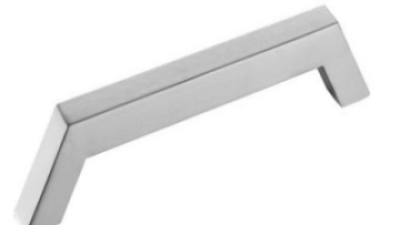
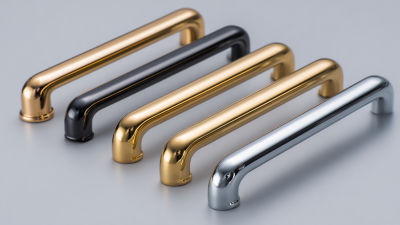
Modern angled square tube handles offer a refined way to refresh kitchen and bathroom cabinets without replacing the entire room. Their geometric profile combines clean lines with a subtle slant, creating a contemporary appearance that feels architectural yet practical. The square tube design provides a comfortable grip, while the angled shape adds visual movement to flat cabinet doors and drawers. Whether paired with light wood, matte surfaces, or smooth painted finishes, these handles can make storage areas look more coordinated and up to date.
In the kitchen, angled handles create a sleek detail that complements modern cabinetry and helps maintain a streamlined appearance. Their sturdy construction is suitable for frequently used drawers, cupboards, and pantry doors, while the extended form allows users to open cabinets with ease. In bathrooms, the same style can bring consistency to vanities, linen storage, and compact wall units. The simple silhouette also works well in smaller spaces, where carefully selected hardware can enhance the design without making the room feel crowded.
Available in a range of neutral and contemporary finishes, modern angled square tube handles can be matched with faucets, lighting, hinges, and other interior details. Their versatile design suits minimalist, industrial, transitional, and modern décor, making them an easy upgrade for both new installations and cabinet renovations. With a balance of style, function, and everyday comfort, they provide a distinctive finishing touch to kitchen and bathroom storage.
: Consider rain, salt spray, wind, dust, sunlight, vibration, and temperature changes. Freeze-and-thaw cycles matter too.
Record the highest and lowest temperatures. Note water sources, cleaning chemicals, airborne pollutants, and exposure to direct spray.
A flat, flexible gasket helps block water. Twisted seals or small gaps may collect moisture and cause corrosion.
Choose stainless steel or other corrosion-resistant screws. Their heads should fit neatly without damaging the gasket.
Look for covered joints, drainage paths, and smooth surfaces. Avoid deep grooves that trap dirt and moisture.
Measure door thickness, backset, bore diameter, and screw spacing. Check the latch, spindle, lock body, and mounting plates together.
Yes. Timber, metal, composite, and fiberglass doors need suitable fasteners. Exposed timber edges may swell after water contact.
Operate it repeatedly. Confirm smooth return, full latch engagement, and stable movement from different pulling angles.
Yes. Poor fitting can trap water behind the mounting plate. Even one unsealed screw may become a hidden failure point.
Inspect it after heavy rain, cleaning, or temperature changes. Check for loose movement, damaged seals, stains, and trapped water.
Choosing the right Weatherproof Handles starts with understanding the conditions they will face, including rain, humidity, sunlight, salt air, temperature changes, and frequent use. Select materials and finishes that resist rust, corrosion, and UV damage, then match the handle’s design and size to the door, gate, cabinet, or equipment. A comfortable grip and smooth operation are important, especially when the handle is used regularly or in difficult weather.
Before purchasing, examine the handle’s seals, fasteners, drainage features, and overall water resistance. Confirm that the mounting method, hole spacing, screws, and other hardware are compatible with the installation surface. Finally, compare cleaning requirements, expected durability, replacement needs, and total long-term value rather than focusing only on the initial price. A well-chosen handle should provide dependable performance, comfortable use, and lasting protection with minimal maintenance.