You'd think picking Cabinet Handles is no big deal, right? Honestly, it kind of is. TheCabinet Pull Handles you choose can change the whole look of your kitchen, not to mention how smoothly the drawers open and how comfortable everything feels day in and day out. Sure, that polished finish catches your eye in the showroom, but put it next to a busy stove and it's basically a fingerprint magnet. And don't even get me started on scale — it matters a lot. You know, a wide pull can look really nice on a deep drawer. But slap the same hardware on a narrow door, and it might feel a bit crowded—kind of overwhelming, honestly.
So, when you're picking out handles for your kitchen, it's not just about grabbing whatever looks nice—there's a bit more to think about. You've gotta match the size, where they'll go, the material, the finish, and of course, your budget. If you're replacing old ones, measure the distance between the existing screw holes before you order anything. And make sure there's enough room behind the pull for your fingers, otherwise you'll end up with something that's a pain to use every day. For new cabinets, hold the handle up against the door or drawer front to see if the proportions work—ideally with an actual sample. Honestly, those little checks can save you from a lot of regret later. Before you pick a finish, think about who actually uses the kitchen—and how often those surfaces get cleaned. Also, keep in mind how it’ll look next to your hinges, faucets, or appliances. Stainless steel and solid brass are both pretty durable, honestly, but the real deal is the construction and how you care for it. A fancy label doesn’t tell you much. It’s worth asking suppliers directly about materials, finish warranties, and cleaning instructions—product descriptions won’t always tell you how a coating holds up after a few months. So yeah, there’s no one-size-fits-all answer. Look, trends are great for inspiration, but at the end of the day, your kitchen should feel comfortable, be installed properly, and fit the space you actually have. And if something isn't a perfect match? It might still be okay—but definitely give it a second thought before you commit.
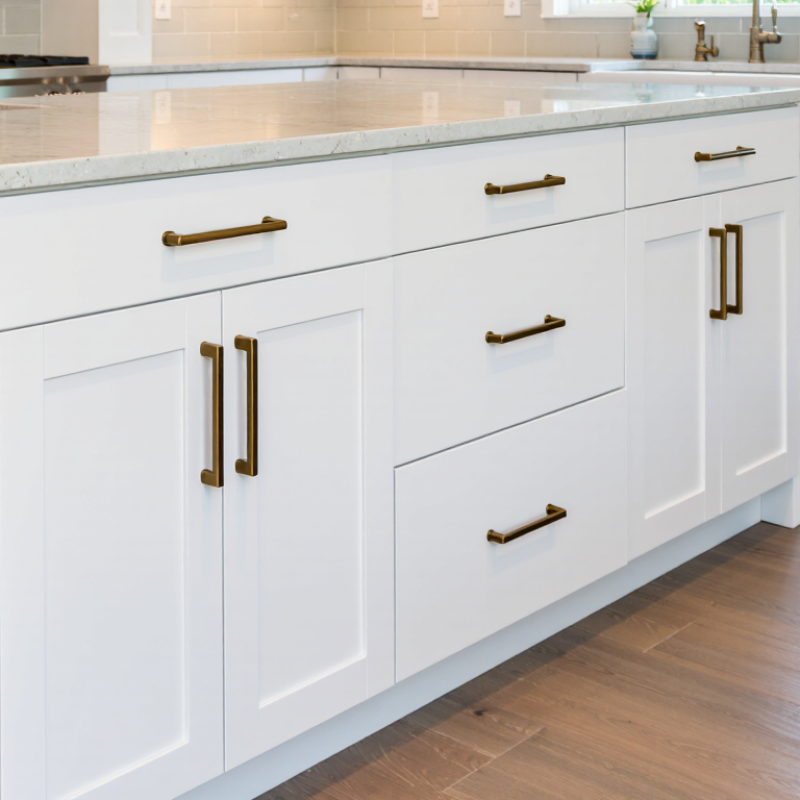
Identify Your Kitchen’s Cabinet Handle Needs
Start by noticing how your kitchen is used. Do children pull drawers open, or do wet hands reach for the sink cabinet? Houzz’s 2024 U.S. Houzz & Home Study reported a $24,000 median spend for kitchen renovations. That investment makes daily comfort worth checking, not just appearance. List the doors and drawers you open most, then note their width, weight, and location. A wide pantry drawer may need a longer pull than a small upper cabinet. Try the motion with your usual grip. Small detail, big difference.
Next, check hand clearance and placement. Knobs can suit narrow doors, while pulls often feel easier on heavy drawers or for people with limited grip strength. Measure existing hole spacing before shopping; matching it can avoid extra drilling and patching. If your household has varied heights or mobility needs, test sample hardware at the actual cabinet locations. Look for edges that feel smooth, and make sure nearby appliances won’t block your hand. I would recheck this after installation, too. A pull can look right in a showroom and still feel awkward beside a refrigerator or tight corner. Choose a finish that tolerates frequent wiping, but remember that fingerprints show differently on every surface.
Measure Cabinet Doors and Drawers
Measure each cabinet door and drawer front before choosing Cabinet Handles. Record the width and height of every face, then note its frame, panel, and nearby appliance clearances. For existing holes, measure center to center, not edge to edge. A small measuring mistake can leave visible holes or place a pull too close to a neighboring door. It happens.
For new installations, mark the proposed hole centers with low-tack tape. Check that fingers can grip the handle without hitting the cabinet frame or another pull. On wide drawers, a longer pull or two evenly spaced handles may feel steadier; on narrow doors, a compact pull can avoid crowding. Treat the common one-third-of-drawer-width sizing rule as a starting point, not a standard. Handle shape and drawer weight matter, too.
Houzz’s 2024 U.S. Kitchen Trends Study reports that 87% of renovating homeowners upgrade their cabinets. That figure makes careful measuring especially useful when replacing hardware alongside cabinet work, though it does not prescribe handle dimensions. Measure twice, then test a paper or cardboard template at full scale. Stand back and check alignment across adjacent doors and drawers. I would reconsider any layout that looks neat on one drawer but uneven across the whole run.
Choose a Handle Style and Shape
The handle should suit the cabinet door, not compete with it. Houzz’s 2024 U.S. Kitchen Trends Study found that shaker-style doors were selected by 57% of renovating homeowners who upgraded cabinet fronts. Their simple frame works with many pull shapes, but proportions still matter. A slim bar pull keeps the lines quiet; a cup pull adds a more traditional note. Hold a sample against the actual door before deciding. Small differences show.
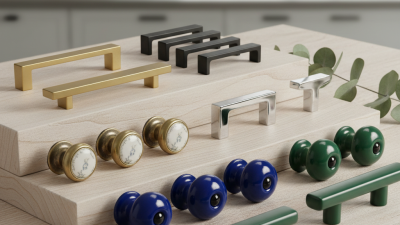
Shape affects both appearance and grip. Straight bars feel natural on wide drawers, while knobs can work well on narrow doors where a long pull may look crowded. For a tactile check, open a drawer with wet hands and try the handle from different angles. Does it feel secure? Sharp edges or tight clearances can become irritating during daily use. I once favored a sculptural pull that looked elegant in a sample room, then found it awkward on a shallow drawer. A useful reminder.
Match the finish and silhouette to nearby details, such as tapers in a faucet or the square edges of a countertop. Repetition can make a kitchen feel considered, though every cabinet does not need identical hardware. Use longer pulls on wide drawers and smaller ones on doors, keeping their shapes related. Tape paper templates in place first. Live with them for a day. Houzz’s survey reflects real renovation choices, but household routines vary; the best style is the one that remains comfortable after repeated use.
Compare Materials and Finishes
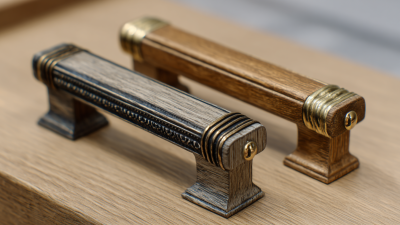
Cabinet Hardware should feel comfortable, suit the room, and withstand daily use. Compare materials before choosing a finish. Solid brass is durable and can develop a natural patina, while stainless steel resists corrosion and is easy to clean. Zinc alloy often costs less, but its coating may wear sooner on frequently touched handles. Feel the handle in your hand if possible. A slim pull can look elegant, yet feel uncomfortable on a heavy drawer.
Tips: Match the finish to nearby fixtures, but do not assume every metal must be identical. Brushed finishes tend to disguise fingerprints better than polished ones. Check a sample beside your cabinets in both daylight and evening light.
Finish names can vary between suppliers, so ask about the actual coating and care instructions. Matte black creates contrast on pale cabinetry, while satin nickel blends softly with cool tones. For a warm kitchen, brass or bronze can complement wood grain. There is no universally perfect finish. Even a durable handle may show wear if abrasive cleaners are used, and that detail is easy to overlook. Choose a shape you can grip comfortably, then balance appearance with cleaning and maintenance needs.
Check Grip Comfort and Handle Placement
How to Choose Cabinet Pull Handles for Your Kitchen?
Grip comfort is personal, so test Cabinet Pulls before choosing a full set. Hold a sample with dry hands, then try again after washing them. Does the handle feel secure without pressing into your fingertips? Rounded edges often feel gentler during repeated use, while narrow bars may suit a lighter touch. Small details matter. I once favored a slim style, but it felt awkward when my hands were damp. That preference may not suit everyone.
Handle placement affects comfort as much as shape. On drawers, center pulls horizontally when practical, and keep their position consistent across a row. For cabinet doors, place handles where your hand naturally reaches near the opening edge. Check nearby walls and appliances, too. A projecting pull can catch clothing or limit access in a tight walkway. Mark proposed positions with removable tape, then open each door and drawer several times. A small adjustment can make daily use easier.
Tips: Compare two or three handle shapes in your own kitchen. Test them while standing and sitting, if both positions are common. Ask another household member to try them; hand size changes what feels comfortable. Measure carefully before drilling, because correcting misplaced holes can be difficult.
Confirm Fit, Installation, and Maintenance Needs
Measure the existing holes before choosing new Cabinet Pulls. The center-to-center distance is often more useful than the handle’s full length. Check it twice; a few millimeters can leave old holes exposed. For a new installation, make a cardboard template and mark each hole from the same cabinet edge. It is a small test, but it helps keep handles level across a row of drawers.
Check that the pull feels comfortable and clears nearby doors or appliances. A wide handle may catch on a dishwasher, while a shallow one can be awkward to grip with wet hands. Confirm the supplied screw length suits your cabinet thickness; screws that are too long can damage the inside surface. Cabinet Latches serve a different purpose, so don’t treat them as a substitute for a pull. They are easy to confuse when planning hardware.
Think about cleaning before settling on a finish. Grease gathers around handles, especially near the stove, and textured surfaces can take longer to wipe down. Use a soft cloth and mild soapy water unless the care instructions say otherwise. Avoid abrasive pads that may scratch the finish. Even careful measuring can miss a cramped grip or an awkward angle, so test one handle in place before fitting the rest.
A Practical Guide to Choosing Minimalist 304 Stainless Steel Cabinet Handles for Every Space
Choosing minimalist 304 stainless steel cabinet handles starts with matching the hardware to the room and the cabinetry. The clean, simple profile suits kitchens, bathrooms, wardrobes, and utility spaces, while 304 stainless steel offers good resistance to everyday moisture and corrosion. The International Stainless Steel Forum’s life-cycle research reports that around 90% of stainless steel is recovered and recycled at the end of its service life, a useful consideration for homeowners seeking durable materials. For coastal or frequently cleaned areas, wipe handles dry and avoid harsh, chloride-based cleaners, which can damage stainless steel over time.
Before ordering, measure the cabinet thickness and the distance between existing screw holes, known as the center-to-center measurement. For new installations, choose a handle length that feels comfortable in the hand and looks balanced against the door or drawer; larger fronts generally suit longer pulls, while small doors often benefit from compact designs. Check that the handle’s projection leaves enough room for a secure grip without catching on nearby doors or walkways. A consistent finish and profile across a room can create a unified look, while using different lengths for drawers and doors keeps the hardware practical. The World Stainless Association reported global stainless-steel production of 58.4 million tonnes in 2023, reflecting the material’s broad role in modern manufacturing.
Conclusion
Choosing the right Cabinet Pull Handles begins with understanding how your kitchen is used, which cabinets need handles, and what practical or visual goals you want to achieve. Measure cabinet doors and drawers carefully, noting their thickness and available space, so you can select handles with suitable dimensions and mounting points. Then consider the style and shape that complement your kitchen, from simple straight pulls to softer, curved designs.
Compare materials and finishes for appearance, durability, and ease of cleaning. Before deciding, check that each handle feels comfortable to grip and can be positioned conveniently for everyday use. Finally, confirm that the handles will fit your cabinets, that installation is manageable with the tools available, and that their care requirements suit your routine. Balancing comfort, function, appearance, and maintenance will help you make a practical, cohesive choice.