Inquiry
Form loading...
0%

Door Hardware might not be the most glamorous part of your doors, but it’s definitely the quiet hero behind every successful door. Think hinges, locks, handles, closers, stops, cylinders, and access-control components—all these little things play a big role in security, ease of movement, comfort, and how easy it is to keep everything in good shape. Sure, a door can look super stylish, but if the hinge is weak, you’re probably gonna hear scraping within a few months. And that fancy handle? It’s useless if it feels loose or doesn’t match the door’s thickness. Knowing these small details really helps you make smarter, more affordable choices.

In real-world projects, picking the right hardware usually starts with where the door is and how much it gets used daily. For example, an office entrance might need sturdy lever handles and a controlled closing system to keep things quiet and secure. Bathrooms often need privacy locks, while emergency exits require special panic hardware with official approval. And if you’re dealing with hotel doors, well, there are even more things to consider—guests expect smooth, quiet latches, reliable locks for late-night room access, and hardware that holds up under heavy use day after day. Even housekeeping needs hardware that can handle repeated use without breaking a sweat. It might seem like the small stuff, but it really makes a difference.

Experience definitely helps, but it doesn’t guarantee you won’t run into surprises. Product descriptions can sometimes hide the real differences in quality, compatibility, or installation details. Even seasoned buyers might forget to double-check things like door handing, backset measurements, or fire-rating restrictions. That’s why it’s smart to review the manufacturer’s technical specs before placing an order. It’s a good idea to have a qualified installer double-check measurements and any local building codes, too. The finish on the hardware might look perfect, but if it doesn’t fit right, that’s a problem. This guide covers the main types of door hardware, explains what they do, and gives you the key questions to ask before you buy. We’ll also go into durability, accessibility, maintenance, and what kind of value you’re really getting in the long run. Remember, good hardware is rarely the cheapest option, but it’s the one that will work reliably, quietly, and safely for years to come.

What Is Door Hardware and How Do You Choose It?

What Is Door Hardware and What Functions Does It Serve?

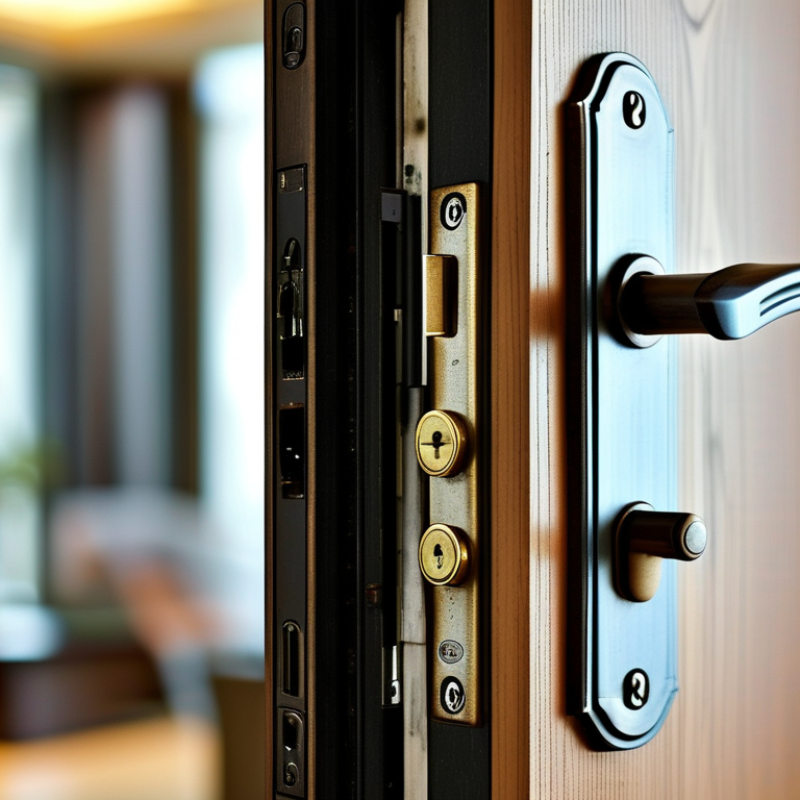
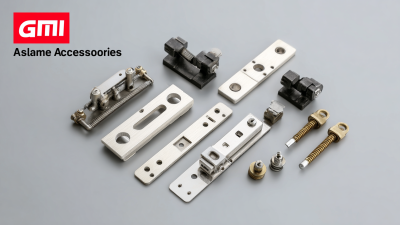
Door hardware includes the working parts attached to a door, frame, and surrounding wall. Common examples include hinges, locks, handles, closers, stops, and protective plates. These components control movement, security, privacy, and daily comfort. A hinge carries the door’s weight and allows smooth swinging. A latch keeps the door aligned, while a closer helps it shut safely. Hardware also supports accessibility, fire protection, and noise control when selected correctly.

Choosing hardware begins with the door’s purpose and location. An entrance door may need stronger security and weather resistance. A bedroom door usually needs privacy rather than complex protection. Measure the door thickness, frame condition, swing direction, and traffic level before purchasing. Material matters too. Stainless steel suits damp areas, while durable coated metals work well in busy interiors. Installation experience reveals small problems that product descriptions may hide. For example, a heavy closer can make a lightweight door uncomfortable to use. I once underestimated handle height, and the result looked awkward. Small details matter.

Tips: Check compatibility before installation. Test the handle at a comfortable height. Confirm that the latch meets local building requirements. Keep screws tight, but avoid overtightening them. Lubricate moving parts when needed, and inspect loose hinges early. Hardware should feel natural in the hand, not merely look attractive. If a door binds, fix the alignment instead of forcing the lock.

What Is Door Hardware and How Do You Choose It?

Door hardware includes the components that support, operate, secure, control, and seal a door. The chart counts the primary functions commonly associated with each hardware type.

What Functions Does Door Hardware Serve?

When choosing hardware, first identify the door’s purpose, traffic level, security needs, accessibility requirements, fire-rating requirements, and exposure to weather. The right combination should allow reliable movement, controlled closing, safe egress, and appropriate protection.

What Are the Main Types of Door Hardware?

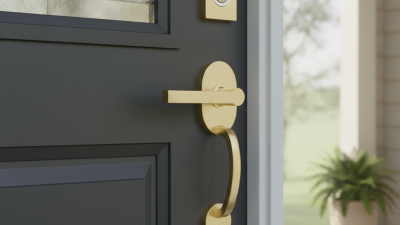
Door Hardware includes the parts that help a door open, close, lock, and stay aligned. The main types are knobs, levers, pulls, handlesets, hinges, locks, latches, closers, and door stops. Knobs suit many interior doors, while levers are easier to operate with limited hand strength. Pull handles work well on heavier entry doors. A deadbolt adds stronger resistance than a basic latch, but it still needs correct installation.

Hinges carry the door’s weight and affect how quietly it moves. Ball-bearing hinges often suit heavy doors, while standard hinges may fit lighter interior doors. Door Closers control movement in busy buildings. Stops protect nearby walls from handle impact. When choosing Door Hardware, check the door thickness, handing, frame condition, traffic level, and exposure to moisture. A bathroom door and a workshop door rarely need the same materials. Stainless steel, brass, and coated finishes can offer different durability and appearances. Measurements matter more than attractive photographs. I have seen a stylish handle fail because its spindle did not match the lock body.

Tips: Test the hardware in your hand before installation. The lever should feel firm, not loose. Check that the latch enters the strike plate smoothly. Leave enough clearance for fingers and clothing. If a door rubs, adjust the hinges before replacing the lock. Also, avoid choosing hardware by appearance alone; that mistake is easy to make.

How Do Door Hardware Components Work Together?

Door hardware works as a coordinated system, not a collection of separate parts. Hinges or pivots carry the door’s weight, while the closer controls its speed and final position. The latch then meets the strike plate, creating secure engagement. Handles, cylinders, and escutcheons transfer user force to that latch. A small error can disrupt everything. A sagging hinge may prevent the latch from entering fully. Excessive closer force can make the door difficult to operate. During field inspections, I often check the gap, latch alignment, closing speed, and handle height before replacing any component.

Accessibility should guide the specification. The WHO and UNICEF Global Report on Assistive Technology states that more than 2.5 billion people need at least one assistive product. Door hardware should therefore support limited grip strength, mobility, and reach. Lever handles, low-resistance latches, and properly adjusted closers usually perform better than tight knobs. Sliding Door Hardware needs the same coordination: rollers must carry the panel, guides must control movement, and locks must align without forcing the frame. The International Energy Agency’s Buildings 2024 report links buildings with about 30% of global final energy demand. Worn seals, poorly adjusted closers, and loose thresholds can increase drafts. The fit is rarely perfect. Specifications still need testing on site, because real users do not move like drawings.

What Is Door Hardware and How Do You Choose It? - How Do Door Hardware Components Work Together?
Door Hardware Component Primary Function How It Works with Other Components Key Selection Factors Common Materials or Finishes Typical Applications
Hinges Connect the door to the frame and allow the door to swing open and closed. Hinges carry the door weight while the latch, lock, closer, and frame control movement and security. Door weight Door height Swing direction Frequency of use Steel, stainless steel, brass, zinc alloy; satin, polished, painted, or plated finishes. Interior doors, entrance doors, fire-rated doors, heavy-duty commercial doors.
Lockset Controls access by securing the door and releasing it when the correct key, code, card, or credential is used. The lock body works with the cylinder or electronic reader, latch or deadbolt, strike plate, and door frame. Security level Backset Door thickness Access method Steel, brass, stainless steel, zinc alloy, and durable protective coatings. Residential entrances, offices, apartments, schools, healthcare, and controlled-access areas.
Latch Holds the door closed without necessarily locking it. The latch bolt extends into the strike plate when the door closes and retracts through the lever, knob, or exit device. Latch type Backset Door alignment Usage level Steel, stainless steel, brass, or zinc alloy. Passage doors, privacy doors, office doors, and interior rooms.
Deadbolt Provides additional resistance to forced entry by extending a solid bolt into the frame. The cylinder or thumbturn operates the bolt, which engages with a reinforced strike in the door frame. Bolt projection Strike strength Key control Door material Hardened steel bolt with brass, steel, or zinc alloy trim. Exterior residential doors, storage rooms, and areas requiring enhanced physical security.
Lever Handle or Knob Provides a hand-operated method for opening the door and retracting the latch. The handle connects to a spindle or lock mechanism, which retracts the latch when turned or pressed. Ergonomics Accessibility Clearance Durability Stainless steel, brass, aluminum, zinc alloy, and polymer components. Lever handles are common in accessible environments; knobs are often used on residential and light-duty doors.
Strike Plate Receives the latch bolt or deadbolt in the door frame. It aligns the lock with the frame and distributes impact forces around the opening. Bolt compatibility Frame strength Fastener length Alignment Steel or stainless steel, sometimes with a protective plated finish. Any door equipped with a latch or lock; reinforced versions suit security doors.
Door Closer Controls the closing speed and helps return the door to a closed position. The closer works with hinges, latches, seals, and locks to ensure the door closes and latches reliably. Door width Door weight Wind conditions Closing force Aluminum, steel, cast iron, and corrosion-resistant coatings. Commercial entrances, fire doors, corridor doors, and high-traffic facilities.
Exit Device Allows people to open a locked door quickly by pushing a horizontal bar or touch pad. The push bar retracts the latch or engages other locking parts while permitting egress from the protected side. Exit requirements Door width Fire rating Trim type Steel, stainless steel, aluminum, and durable powder-coated finishes. Public buildings, schools, offices, assembly areas, and emergency exit doors.
Door Coordinator or Astragal Manages the closing sequence or covers the meeting gap between pairs of doors. It coordinates paired doors with closers, latches, bolts, and frame hardware so the leaves close in the correct order. Pair configuration Door overlap Fire requirements Frame condition Steel, aluminum, stainless steel, and extruded metal profiles. Double doors, fire-rated pairs, entrances, corridors, and large openings.
Door Stop Limits door travel and helps prevent impact against walls, furniture, or adjacent doors. It protects hinges, closers, handles, and wall surfaces by controlling the final opening position. Opening angle Mounting surface Impact level Clearance Rubber, stainless steel, brass, aluminum, or zinc alloy. Residential rooms, offices, corridors, public facilities, and high-traffic areas.
Threshold Forms the transition at the bottom of the doorway and can help protect against drafts, water, smoke, and light. It works with the door sweep, weather seals, frame, and floor surface to improve the opening’s environmental performance. Floor level Accessibility Weather exposure Door clearance Aluminum, stainless steel, brass, rubber, and composite materials. Exterior doors, accessible entrances, sound-control openings, and weather-exposed locations.
Weatherstrip and Door Sweep Reduces air, dust, noise, moisture, and light passing through gaps around the door. Weatherstrip seals the head and jambs, while the sweep seals the bottom edge against the threshold. Gap size Temperature Moisture Compression EPDM rubber, silicone, neoprene, brush, aluminum, and flexible vinyl. Exterior entrances, acoustic rooms, energy-conscious buildings, and smoke-control openings.
Cylinders, Keys, or Electronic Reader Authenticates an authorized user and operates the locking mechanism. The credential system communicates mechanically or electronically with the lock, latch, power supply, and access-control software. Credential type Key control Power source Audit needs Brass, stainless steel, zinc alloy, glass, plastic, and electronic components. Mechanical key systems, keypad doors, card access, mobile credentials, and restricted areas.
Door Viewer or Vision Panel Allows occupants to identify people or activities on the opposite side of the door. It improves situational awareness while preserving the door’s basic locking, latching, and closing functions. Viewing angle Privacy Glass rating Door construction Optical glass, fire-rated glazing, aluminum, brass, and steel frames. Apartment doors, hotel rooms, offices, healthcare rooms, and fire-rated assemblies where permitted.
Fasteners and Reinforcement Secure hardware to the door and frame and improve resistance to loosening or forced impact. Proper screws, bolts, backing plates, and frame reinforcement keep hinges, strikes, closers, and locks securely aligned. Substrate Load rating Corrosion exposure Fastener length Stainless steel, hardened steel, galvanized steel, and corrosion-resistant alloys. Heavy-use doors, security openings, metal frames, wood doors, and exterior installations.

Which Materials and Finishes Are Available?

Door hardware combines function, material, and visual character.

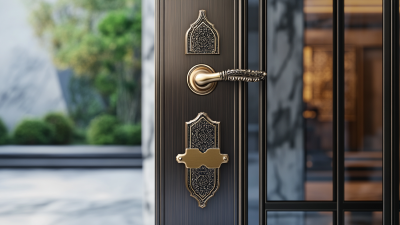
Door Pull Hardware often becomes the first detail people notice when entering a room. Brass feels warm and substantial, while stainless steel offers a cleaner, more technical appearance. Aluminum is lightweight and practical for frequent use. Zinc alloys can provide complex shapes, but quality varies between products.

Finishes change both appearance and maintenance. Satin finishes soften fingerprints and small scratches. Polished surfaces reflect more light, yet they need frequent wiping. Matte black creates strong contrast on pale doors, although dust can appear quickly. Brushed bronze adds depth and usually suits timber interiors. In humid areas, stainless steel or properly protected brass may perform better than untreated iron. Always check the coating specifications and cleaning instructions. I once selected a bright polished handle for a busy hallway. It looked excellent under showroom lighting, but fingerprints appeared constantly at home. That choice needed more thought.

Tips: Match the finish to nearby hinges and locks. Test a sample beside the door. Check hand clearance before ordering. For coastal rooms, ask about corrosion resistance. Avoid abrasive cleaners, even when the surface seems durable. Small details matter.

How Do You Choose Hardware for Different Door Types?

Choosing hardware starts with the door’s weight, movement, location, and daily use. A lightweight interior door usually needs hinges, a lever, and a simple latch. For a solid wood entry door, choose stronger hinges, a durable lockset, and a weather-resistant finish. Measure twice. The fit matters.

Sliding doors require hardware that supports the panel without causing dragging or shaking. Check the track length, roller capacity, and clearance above the opening. Pocket doors need compact pulls and recessed hardware because the door disappears into the wall. Barn-style doors need secure mounting points, especially when the wall cannot carry much weight.

Bathrooms demand extra care. For a glass shower enclosure, Shower Door Hardware should match the glass thickness, hole placement, and opening direction. Stainless or corrosion-resistant materials work better around constant moisture. Hinges must move smoothly, while handles should provide a firm grip with wet hands. I once focused too much on appearance and overlooked clearance near a vanity. The door opened, but not comfortably. That mistake changed how I check layouts.

Exterior doors also face wind, rain, temperature changes, and frequent impact. Look for finishes suitable for outdoor exposure and hardware that feels solid during repeated use. Fire-rated or accessible doors may require specific hardware, so verify local building requirements before ordering. A beautiful handle cannot correct the wrong hinge size or an unsupported door.

What Factors Affect Door Hardware Selection and Installation?

Choosing door hardware depends on more than appearance.

The door’s material, weight, thickness, and swing direction all affect the correct components. A heavy solid door may need stronger hinges and a closer with suitable adjustment. High-traffic entrances require durable levers, plates, and cylinders. Keep it practical.

Security needs also shape the selection. An exterior door may require stronger locking hardware, while a bedroom usually needs privacy hardware with simple emergency access.

Accessibility matters in homes, offices, and public buildings. Handles should be easy to operate without tight gripping or twisting. Fire-rated doors require compatible hardware that does not weaken their tested assembly. Local building and safety requirements must be checked before ordering.

Installation conditions can change the plan.

The frame must be square, firmly fixed, and aligned with the latch. Measurements should include door thickness, backset, bore size, and hinge spacing. Uneven floors can cause a closer to pull incorrectly.

I once underestimated an old frame’s movement, and the latch stopped engaging reliably. Field conditions can surprise experienced installers.

A careful installer should test the door repeatedly, inspect screw placement, and adjust closing speed without creating a slam. Hardware also needs a maintenance plan, including cleaning, lubrication where appropriate, and periodic checks for loose fasteners. Cheap-looking problems often begin with small installation errors.

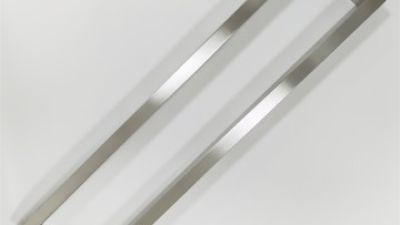
Stainless Steel Glass Doors with Satin-Finished Square Tube Handles: A Modern Design Guide

Stainless steel glass doors with satin-finished square tube handles bring a clean, contemporary character to residential and commercial interiors. The combination of transparent glass and structured metal creates an open visual effect while maintaining a strong architectural presence. Stainless steel offers durability and resistance to everyday wear, making it suitable for entrances, offices, hospitality spaces, bathrooms, and modern retail environments. Clear, frosted, or tinted glass can be selected according to privacy, lighting, and decorative requirements.

The satin-finished square tube handle is an important design element. Its smooth, low-glare surface softens reflections and helps conceal minor fingerprints, while the straight profile complements minimalist interiors. A square handle with balanced proportions can make the door feel more substantial without overwhelming the glass panel. When choosing a handle, consider its length, grip comfort, mounting position, and relationship to nearby hardware such as hinges, locks, and pull plates.

For a cohesive installation, match the stainless steel finish across the door frame and surrounding fittings. Tempered or laminated safety glass is recommended for areas where impact resistance is important, and accurate measurements are essential for smooth operation. Regular cleaning with a soft cloth and mild solution can preserve both the glass clarity and the refined satin texture, allowing the door system to remain practical and visually consistent over time.

FAQS

What is door hardware, and what does it do?

Door hardware includes hinges, locks, handles, latches, closers, stops, and protective plates. These parts control movement, privacy, security, and everyday comfort. A hinge carries the door’s weight. A closer helps it shut safely.

How should I choose hardware for different doors?

Match the hardware to the door’s purpose and location. An entrance door may need stronger security and weather resistance. A bedroom door usually needs privacy. Busy corridors need durable components. The choice can still be imperfect.

What measurements should I check before ordering?

Measure door thickness, frame condition, swing direction, and traffic level. Check the available hand clearance around handles. Confirm the latch fits the frame. A few minutes of measuring can prevent an awkward installation.

Which materials work well for door hardware?

Stainless steel suits damp areas and offers a clean appearance. Aluminum is lightweight and practical for frequent use. Brass feels warm and substantial. Zinc alloys support detailed shapes, but product quality can vary.

Which finish is easiest to maintain?

Satin finishes usually hide fingerprints and small scratches. Polished surfaces reflect more light but need frequent wiping. Matte black creates strong contrast, though dust may show quickly. Test a sample beside the door.

How can I match hardware finishes successfully?

Match handles with nearby hinges, locks, and other visible metal parts. Brushed bronze can suit timber interiors. Protected brass or stainless steel may perform better in humid rooms. Showroom lighting can mislead you.

What installation problems should I watch for?

Check compatibility before drilling or tightening screws. Keep screws secure, but avoid overtightening them. A heavy closer may make a lightweight door uncomfortable. If the door binds, correct its alignment instead of forcing the lock.

How should I maintain door hardware?

Inspect loose hinges early and lubricate moving parts when needed. Clean surfaces according to their coating instructions. Avoid abrasive cleaners. Test the handle regularly. Small details matter.

Conclusion

Door Hardware includes the handles, knobs, levers, locks, hinges, closers, stops, and other components that allow a door to operate safely, smoothly, and securely. Each part has a specific role: hinges support movement, handles or levers provide access, locks control entry, and closers help the door shut properly. Together, these components must be compatible with the door’s size, weight, usage frequency, and security requirements.

Choosing the right Door Hardware depends on the door type, such as interior, exterior, sliding, glass, fire-rated, or high-traffic doors. Materials and finishes should match the surrounding design while offering suitable durability and resistance to moisture or wear. Installation also requires accurate measurements, correct alignment, appropriate tools, and attention to accessibility, safety, maintenance, and local building requirements. A balanced selection combines appearance, function, long-term performance, and ease of use.

Amelia

Amelia

Amelia is a dedicated marketing professional at ZhaoQing Rongjin Hardware Technology Co., Ltd., a prominent player in the hardware manufacturing industry. With a deep understanding of the company's products, she excels at conveying their core advantages through compelling content. Amelia is......
Previous Why Choose Quality Door Hardware for Global Buyers?