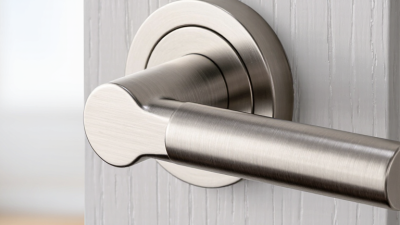
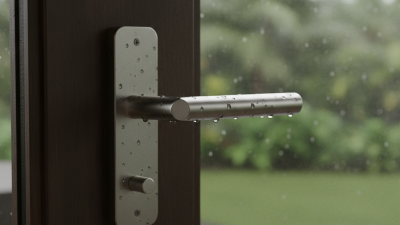
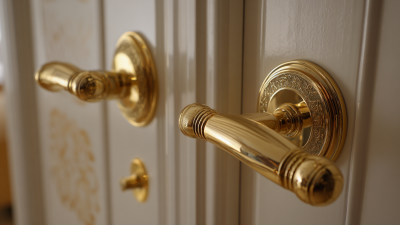
Picking out stainless steel door handles isn’t just about matching a style. Honestly, a handle gets touched dozens of times a day — it’s exposed to skin oils, cleaning sprays, and occasional bumps. Sure, it might look sleek in a brochure or online picture, but in real life, it can feel slippery or leave fingerprints, especially under bright hallway lights. Little details like that really do matter.
Choosing the right material depends a lot on where and how you’ll be using it. According to World Stainless Steel, in 2023, they produced about 58.4 million metric tonnes of crude stainless steel globally (that’s a ton of steel!). Of course, that number covers the entire industry, not just Door Handles. Still, it explains why you might see so many different grades and finishes. For example, grade 304 is pretty standard for indoor stuff, while grade 316 is often better for seaside or harsher environments. But keep in mind, how well a handle performs really depends on its overall make-up, how it’s installed, and how you take care of it.
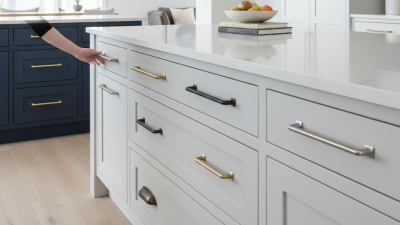
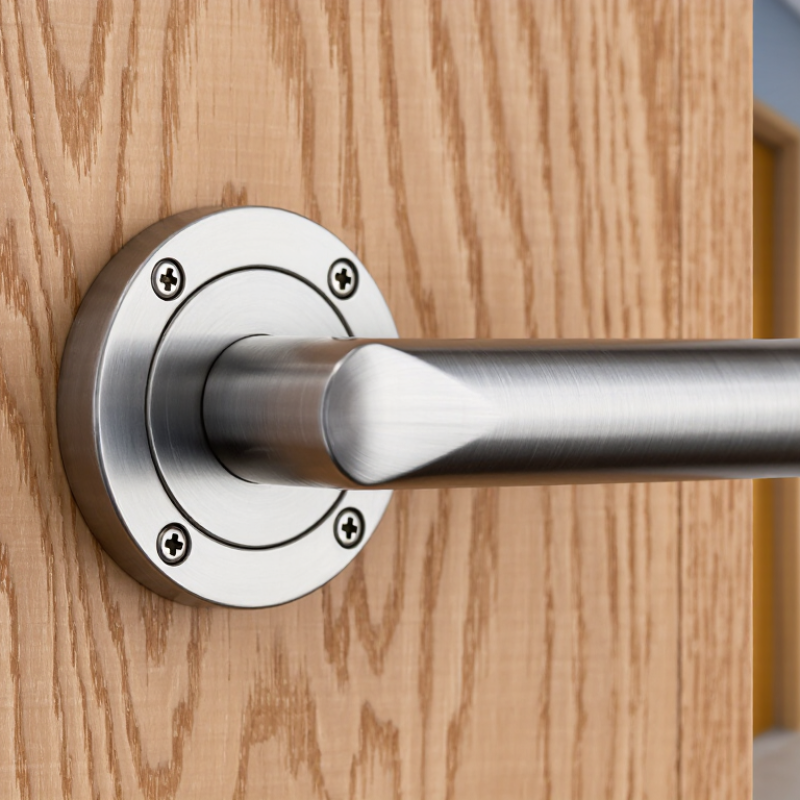
When you’re trying to pick out a handle, start with the setting in mind. It’s a good idea to check the manufacturer’s info about the grade, guidance on corrosion resistance, finish samples, fixing options, and warranty details. Then, think about how it feels in your hand. A rounded lever might feel comfy during a quick test, but a sharp or pointed edge could get annoying if you’re using it all the time. If it’s for a busy home or a commercial space, ask about testing for durability and whether replacement parts are available down the line. Don’t just go by a polished photo — even the best shots can be deceiving. If you can, hold the sample. The handle should feel firm, move smoothly, and suit the door — it’s not just about matching your taps or Cabinet Hardware."
Understanding Stainless Steel Grades and Finishes
When choosing Stainless Steel Door Handles, check the steel grade before judging its shine. Grade 304 suits many indoor settings and resists everyday moisture well. Grade 316 contains molybdenum, which improves resistance to salt and some corrosive conditions. It can be a sensible choice near the coast or beside a pool. Grade 430 costs less, but generally offers less corrosion resistance than 304 or 316.
Think about the door’s actual environment. A sheltered hallway and an exposed seaside entrance do not face the same wear. Still, a higher grade cannot prevent every mark if cleaning products or trapped moisture are neglected. That matters. Look for clear grade information from the supplier, and check whether connected Stainless Steel Fittings use compatible materials.
The finish changes both appearance and upkeep. Brushed surfaces soften fingerprints and small scratches, though dirt can collect in the grain if wiped across it. Polished finishes reflect more light and are easy to wipe, but smudges show quickly. Dark or coated finishes can suit modern doors; their coating may wear at edges touched every day. A small detail, but noticeable. Match the finish to how the handle will be used, not only to a sample under showroom lighting. No finish stays perfect. A slightly imperfect surface may simply show that the handle is used.
How to Choose Stainless Steel Door Handles?
Understanding stainless steel grades and finishes
The chart shows typical chromium and nickel specification ranges by mass; exact limits depend on the applicable product standard. For door handles exposed to coastal air or frequent moisture, Grade 316 is often chosen for its added molybdenum and improved corrosion resistance. Grade 304 suits many indoor and general-purpose settings. A brushed or satin finish can help make everyday marks less noticeable, while polished finishes have a brighter appearance. Consider the installation environment as well as the finish.
Identifying the Door Type and Handle Style
Start by identifying how the door moves and what it needs to do. A hinged bedroom door usually suits a lever or knob with a privacy latch. A hallway door often needs a passage set instead. Sliding doors need a pull or recessed grip, not a projecting lever that may catch on nearby trim. Check the door’s edge, thickness, and existing holes before shopping. Small details matter.
For a replacement, measure the backset from the door edge to the handle spindle. Also check whether the latch can be reversed. Glass, narrow-stile, and screen doors may need dedicated fittings, so confirm that the handle suits the door’s construction. Guessing is tempting. A handle can look right yet fail to line up with the lock or strike plate.
Then consider how the handle feels in daily use. A slim lever is easy to operate with an occupied hand, while a rounded knob may suit a compact interior. Try the grip in person if possible; sharp edges or a wide rose can become bothersome over time. For exterior or humid locations, ask about the steel grade and finish. Stainless steel resists corrosion, but it is not stain-proof, especially near salt or cleaning chemicals. One easy-to-miss detail: a polished finish can show fingerprints more clearly than a brushed surface.
Choosing the Right Handle Size and Mounting Method
Handle size should suit both the door and the person using it. Measure the door thickness, then check the handle’s fixing points against the available space. A long lever can feel awkward on a narrow door, while a small pull may be hard to grip with wet hands. Measure twice. Leave enough clearance for fingers near the frame and nearby walls.
Mounting depends on the door’s construction. Solid doors usually accept screws or through-bolts, while hollow-core doors need fixings designed to spread the load. Reusing old holes can save time, but only if the new handle’s spacing matches; I have learned that “close enough” often leaves visible marks. Check the fitting template before drilling, and test the handle’s movement with the door open. Stainless Steel Push Pull Plates can suit busy doors where a simple push or pull is more practical than a lever. On glass or unusually thin doors, confirm that the mounting hardware matches the panel before ordering. A careful fit matters more than a dramatic handle.
Checking Security, Durability, and Accessibility Needs
When choosing stainless steel door handles, check the whole locking assembly, not just the shiny lever. A handle cannot compensate for a weak latch or poorly secured strike plate. Ask whether the lock has been tested to an ANSI/BHMA performance grade, and match its intended use to the door’s traffic. A busy entrance needs stronger wear performance than a quiet closet. Feel the latch engage. It should move smoothly, without wobble or scraping. A stainless steel label alone tells little; alloy, finish, and exposure matter. Salt air and cleaning chemicals can still damage a finish.
Accessibility deserves the same close attention. The CDC’s 2024 disability data summary reports that 28.7% of U.S. adults have a disability. That makes easy operation a practical concern, not a niche feature. The 2010 ADA Standards specify that operable parts must work with one hand, without tight grasping, pinching, or wrist twisting; operating force is generally limited to five pounds. A lever is often easier than a round knob, especially with damp hands or limited grip strength. Try it at the actual doorway. Check that it clears nearby walls and can be reached from a seated position. I would not judge comfort from a product photo; a few seconds of real use can reveal awkward edges or a stiff return spring.
Comparing Installation Requirements and Maintenance
Before choosing a stainless steel door handle, check the door’s thickness, existing hole spacing, and latch backset. These measurements determine whether a replacement fits without drilling new holes. Measure from the door edge to the spindle center, then compare it with the handle’s installation sheet. Templates help, but older doors may be slightly out of square. That detail is easy to miss.
Installation also depends on the door material and handle design. Through-bolts can provide a firm fixing on heavier doors, while supplied screws may suit standard interior doors. Use the correct screw length and tighten evenly; excessive force can bind the spindle or mark the finish. For Security Door Handles, confirm compatibility with the existing lock case and cylinder arrangement. A handle alone does not improve a door’s security rating. If holes do not align, pause rather than forcing the parts. It is tempting to make them fit. That can leave the handle loose later.
Tips: Wipe stainless steel with a soft cloth and mild soapy water, then dry it to prevent water marks. Avoid abrasive pads and chlorine-based cleaners, which can dull or pit the surface. Check screws every few months, especially on frequently used doors. A little maintenance matters.
How to Choose Stainless Steel Door Handles? - Comparing Installation Requirements and Maintenance
Compare common handle styles, their typical fitting needs, and routine care. Always check the product instructions and the door’s lock or latch before installation.
| Handle Type | Typical Installation Requirements | Maintenance Needs | Best Suited For | Points to Check |
| Lever on rose | Usually fitted as a pair on either side of the door. Requires a compatible spindle, latch, and fixing screws; some models use concealed through-fixings. | Wipe with a soft cloth and mild soapy water, then dry. Check that the fixing screws remain secure and the lever returns smoothly. | Interior doors where a compact, contemporary handle is preferred. | Confirm the spindle size and door thickness. The latch and handle must be compatible; a sprung lever may help it return to its horizontal position. |
| Lever on backplate | Typically mounts through the door with screws. The backplate may include a keyhole, privacy turn, or cylinder opening, so its layout must match the lock. | Clean and dry regularly. Check the handle, plate, and lock fittings for looseness; avoid abrasive pads that can scratch the surface. | Doors that need a larger fixing area or an integrated keyhole or privacy fitting. | Match the backplate openings to the existing lock or latch positions. Measure the fixing centres and verify the door thickness. |
| Pull handle | Fixed with screws or through-bolts, depending on the model and door construction. A pair of handles may be used on opposite sides of a door. | Wipe away fingerprints and moisture. Periodically check the mounting screws or bolts, especially on frequently used doors. | Entrance doors, sliding doors, and doors operated by pulling rather than by a latch mechanism. | Pull handles generally do not operate a latch by themselves. Check mounting centres, fixing access, door material, and whether a separate lock or latch is needed. |
| Mortice knob | Normally installed as a pair with a compatible spindle and latch or lock. The knob’s fixing method and spindle length must suit the door and mechanism. | Clean with a soft cloth and mild cleaner, then dry. Check the spindle and fixings if the knob becomes loose or stiff. | Interior doors where a rounded grip is preferred and the existing latch or lock is compatible. | Knobs can be harder to operate than levers for some users. Verify that the latch mechanism turns freely and that the knob does not foul the frame. |
| Stainless steel finish and grade | Choose the handle style and fixing method first; stainless steel grade does not determine the fitting dimensions. Use suitable fixings for the door material and location. | Regularly rinse or wipe off dirt, salts, and cleaning residues, then dry. Use a non-abrasive cleaner; avoid chlorine bleach and steel wool, which can damage the surface or promote corrosion. | Grade 304 is commonly used indoors and in many general environments. Grade 316 offers improved resistance to chloride exposure, such as near the coast. | “Stainless” does not mean maintenance-free. Check the stated steel grade and finish, particularly for coastal or other chloride-rich environments; actual corrosion resistance depends on exposure and care. |
Conclusion
Choosing Stainless Steel Door Handles starts with understanding how different steel grades and finishes affect corrosion resistance, appearance, and everyday upkeep. Consider the door’s material and purpose, then select a handle style that suits both the setting and how the door is used. Check the handle’s size, shape, and mounting method to ensure it fits comfortably and can be installed securely.
Before deciding, compare options for security, durability, and accessibility, including whether the handle is easy to grip and operate. Review installation requirements and routine maintenance so the choice remains practical over time. Finally, balance these functional considerations with your budget and preferred design. A well-chosen handle should fit the door, withstand regular use, and complement the surrounding space.