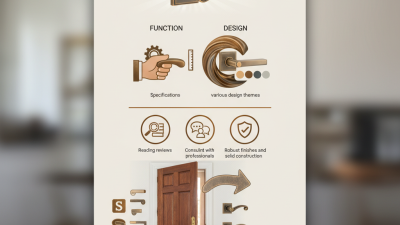
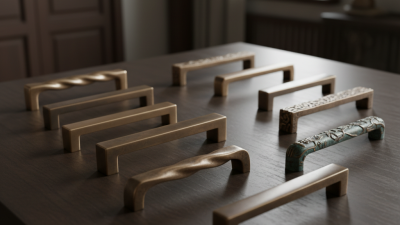
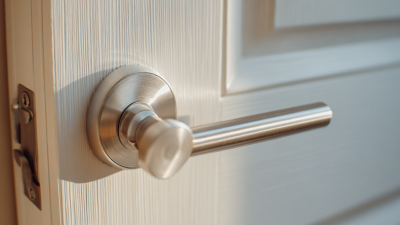
Picking out bronze door handles in 2026 isn’t just about matching the finish to your front door — there’s a bit more to it. These handles do a lot more than you might think; they impact daily comfort, security, how easy it is to open the door, and even the overall vibe of your entrance. For example, a warm bronze lever can really soften up a sleek, modern hallway, while a dark, textured pull might bring a more traditional feel to the table. The most important thing? It should feel right when you actually hold it — natural and comfortable.
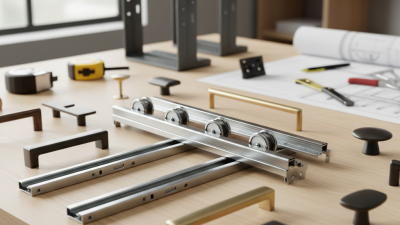
Start by looking at your door’s material, overall thickness, and which way it opens. Heavy, solid timber doors usually look better with sturdier handles and longer backplates, while lightweight interior doors often don’t need anything too fancy or heavy-duty. Before you buy, make sure to measure your existing boreholes — you don’t want to get a handle that looks great but doesn’t fit. A handle can be perfect in every way except if its spindle is off — that can be a deal-breaker. Don't forget to check the latch, lock, screws, and how far the handle projects from the door; everything should work together smoothly.
Finish is a big deal, but it’s not the whole story. Living bronze, for example, develops a beautiful patina over time thanks to your touch, humidity, and air. If you go for a waxed finish, it might show fingerprints easily, which could be annoying. Lacquered handles hold up pretty well and tend to look more uniform, but scratches are harder to hide. Whenever you can, ask for a sample to see in person — online pics can sometimes be a bit deceiving.
Try to choose from reputable brands that give clear info about what the handle is made of, how to care for it, and fitting details. Look for solid bronze or clearly specified bronze alloy — vague color descriptions won’t cut it. Also, check out the return policy — mistakes happen! Even the pros can overlook things like wall clearance or space around a cabinet, and that small oversight can make a handle uncomfortable or hard to fit.
This little guide compares different styles, how they’re built, finishes, maintenance needs, and what kind of value you’re getting. It considers real-life needs, like how often you’ll use the handle or if your place is near the coast where humidity’s high. Trends come and go, but a well-made handle should last for years. So, pick what catches your eye, measure twice, and make sure everything fits. Finding that sweet spot between style and function will get you a handle that looks sharp and works like a charm.
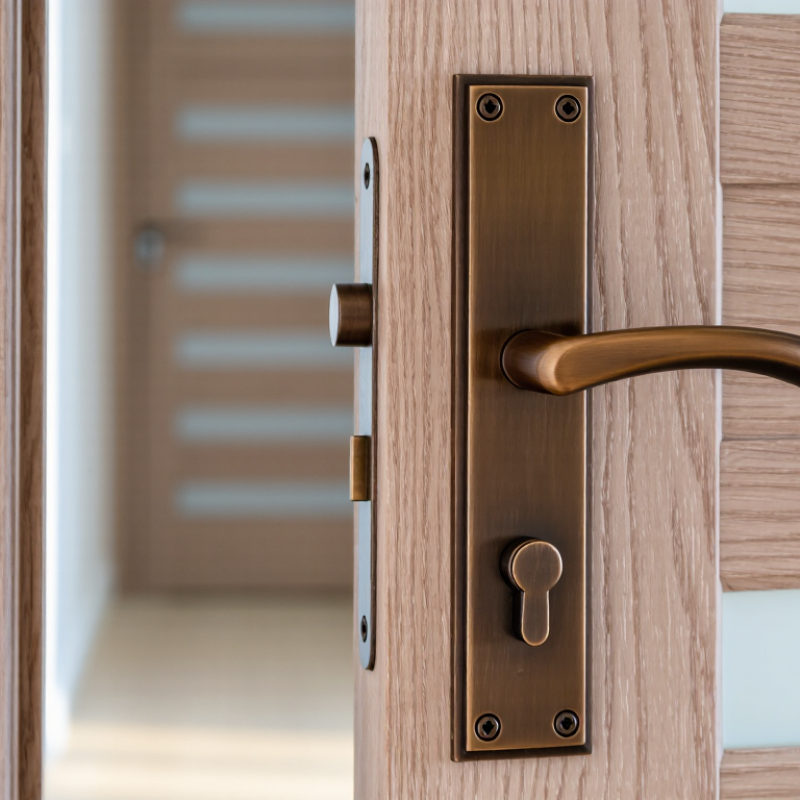
Define Bronze: Copper Alloys with 5–25% Tin and Other Elements
How to Choose Bronze Door Handles in 2026?
Bronze is a copper alloy, commonly containing 5–25% tin and other elements. Those additions change hardness, color, weight, and corrosion resistance. Aluminum, phosphorus, zinc, or nickel may appear in specific bronze formulas. However, not every product labeled bronze has the same composition. Commercial naming can be inconsistent. Ask for the alloy specification, not only the finish name.
When I compare Bronze Pull Handles, I check the metal beneath the surface treatment. A genuine bronze handle often feels dense and develops a warmer patina with use. Place a sample beside your door in daylight. Brown, golden, and reddish tones can look completely different indoors. Rub the edge lightly with a soft cloth and inspect the finish afterward. It should remain even, without exposing a bright base metal too quickly. Salt air and humid bathrooms demand stronger corrosion resistance. Confirm whether the handle has a protective coating and how it should be maintained. Do not rely on photographs alone. I once selected a beautiful dark finish that looked almost black at home. That choice needed more thought. Also measure the door thickness, mounting spacing, and clearance around the hand. A carefully made handle can still feel wrong if its grip is narrow or sharp. Choose rounded edges for frequent use, especially near children or busy entrances.
Match Handle Function to ANSI/BHMA Grade 1, 2, or 3 Requirements
How to Choose Bronze Door Handles in 2026?
Bronze door handles should match the door’s function, not only its color. ANSI/BHMA A156.2 testing commonly rates locksets by cycle performance: Grade 1 reaches 800,000 cycles, Grade 2 reaches 400,000, and Grade 3 reaches 200,000. These figures are useful, but they do not predict every installation. A busy school entrance needs Grade 1 hardware, especially with repeated pushing, pulling, and occasional impacts. Grade 2 suits offices, apartments, and moderate-use corridors. Grade 3 fits lighter residential or interior applications. It is not always the cheapest choice.
Check the complete assembly. The handle, latch, strike, fasteners, and door frame must work together. A Grade 1 lockset can still feel poor when the frame flexes or the latch is misaligned. ANSI/BHMA A156.18 also separates architectural finish requirements from operational grade. Bronze may develop a richer surface over time, but finish durability depends on moisture, cleaning chemicals, and touch frequency. Outdoor coastal doors deserve closer review.
Measure real traffic before ordering. Count daily openings for one week, including deliveries and accessibility use. Then inspect the door’s weight and closing force. I have seen attractive bronze handles fail early because the specification focused on appearance. That mistake is easy to repeat. Also, confirm whether the door requires fire-rated, accessibility, or security-compatible hardware through the project’s applicable requirements.
Choose Lever or Knob Designs Within ADA 2010 Accessibility Standards
Choosing bronze door handles in 2026 requires more than matching a warm finish to your entryway. Accessibility should guide the design. The 2010 ADA Standards require operable hardware without tight grasping, pinching, or wrist twisting. Lever handles usually meet this need more naturally than round knobs. They can be opened with a closed fist or an elbow.
That small difference matters. The CDC Disability and Health Data System reports that roughly one in four U.S. adults has a disability. A stiff knob can become a daily obstacle for someone with arthritis, limited grip strength, or an injured hand. Under ADA 2010, Door Hardware should generally sit between 34 and 48 inches above the finished floor. Interior non-fire doors also typically require no more than five pounds of opening force. Test the complete door assembly, not only the handle.
Bronze adds tactile warmth, but texture needs judgment. Choose a lever with a smooth, broad return and enough clearance for fingers. Avoid sharp edges and overly dense decorative patterns. Security Door Handles can combine stronger construction with accessible operation, provided the latch releases easily. I once preferred a compact knob for its clean profile. It looked refined, but repeated testing exposed its weakness. Appearance still matters, though accessibility should win when the two conflict. Check local requirements before installation, because real buildings often differ from ideal specifications.
Compare Bronze Finishes Using ASTM B117 Salt-Spray Testing Data
How to Choose Bronze Door Handles in 2026?
ASTM B117 salt-spray testing offers a practical way to compare bronze finishes. The test exposes finished samples to a controlled salt fog, often using a 5% sodium chloride solution at about 35°C. Technicians record red rust, blistering, staining, and corrosion spread from scratches. These details matter more than a simple “high-hour” claim.
Look closely at the test setup. Ask whether samples used the same base metal, coating thickness, surface preparation, and curing process. A finish lasting 500 hours may not outperform another finish tested on a different substrate. ASTM B117 is comparative, not a direct forecast of service life. It also does not reproduce fingerprints, rain cycles, cleaning chemicals, or daily hand contact.
Small details reveal quality.
In practical specification work, I would request photographs at fixed intervals and the final evaluation report. Check corrosion near hinges, edges, screw holes, and handle joints. For Wood Door Handles, moisture can collect where the metal meets the timber, creating a hidden weakness. A bronze finish may pass salt spray yet wear quickly at a heavily used entrance. That is an important limitation. I once treated test hours as the complete answer; real installation conditions proved more complicated. Choose the finish with transparent data, consistent samples, and a maintenance plan suited to the building’s exposure.
Check Fire-Rating, Cycle-Life, and Corrosion-Resistance Certifications
How to Choose Bronze Door Handles in 2026?
Bronze door handles should be judged beyond their color and weight. On a recent renovation, I found that a heavy handle did not guarantee reliable performance. Check the complete fire-rated door assembly, not only the handle certificate. Fire-rating documents should identify the tested door type, mounting method, and approved duration. A certificate without matching installation details may offer false confidence.
Cycle-life certification shows how many operations the handle can withstand. Busy entrances need higher test counts than private bedrooms. Ask for laboratory reports, test methods, and failure limits. Corrosion-resistance certification also matters near coasts, pools, and humid bathrooms. Salt-spray results can help, but they do not perfectly predict every real environment. I once focused too heavily on appearance and underestimated moisture exposure. That was a useful mistake.
Tips: Compare certification numbers with your local building requirements. Confirm that the bronze finish, screws, latch, and hinges are tested together when possible. Inspect sample handles for rough edges, loose roses, and uneven coating. Request current documents from the manufacturer, then verify the testing laboratory independently. Shortcuts are tempting. They can become expensive later. A qualified installer should also confirm door thickness, fire-seal compatibility, and maintenance needs before purchase.
Set a 2026 Budget Using Material, Finish, Installation, and Warranty Costs
How to Choose Bronze Door Handles in 2026?
Set your budget before comparing bronze door handles. Material usually takes the largest share. Solid bronze costs more than bronze-finished brass, but it offers greater weight and long-term repair potential. Ask for the base metal, not only the color name. A sample should feel dense, with clean edges and no bubbling beneath the finish.
Finish affects both price and maintenance. Oil-rubbed, brushed, and aged surfaces can hide small marks, while polished bronze shows fingerprints quickly. For a busy entrance, allow extra money for protective coating or periodic care. I once underestimated this detail on a renovation project. The handles looked excellent, but cleaning costs became annoying within months.
Installation should be a separate line in your 2026 budget. A standard replacement may need only labor and basic screws. Older doors can require drilling, alignment, or latch adjustment. Measure the door thickness and bore distance before ordering. Warranty terms deserve equal attention. Check coverage length, finish exclusions, replacement procedures, and whether installation errors void protection.
50% material
20% finish options
20% installation
10% warranty or maintenance
Treat this as a starting point, not a rule. Local labor rates and door conditions can change the balance significantly.
Conclusion
Choosing Bronze Door Handles in 2026 requires balancing material quality, performance, accessibility, and total cost. Bronze is generally a copper-based alloy containing approximately 5–25% tin, along with other elements that influence strength, color, and corrosion resistance. Begin by matching the handle’s function to ANSI/BHMA Grade 1, 2, or 3 requirements, then select a lever or knob that supports ADA 2010 accessibility standards. Compare available finishes using ASTM B117 salt-spray testing data, while considering how the finish will perform in the building’s climate and usage conditions.
Before purchasing, confirm the handle size, door thickness, and an installation height between 34 and 48 inches where applicable. Review documentation for fire-rating approval, cycle-life testing, and corrosion resistance. Finally, create a realistic 2026 budget that includes the bronze material, finish, hardware, professional installation, maintenance, and warranty coverage. A careful evaluation of these factors will help ensure the handles are attractive, durable, compliant, and suitable for long-term use.