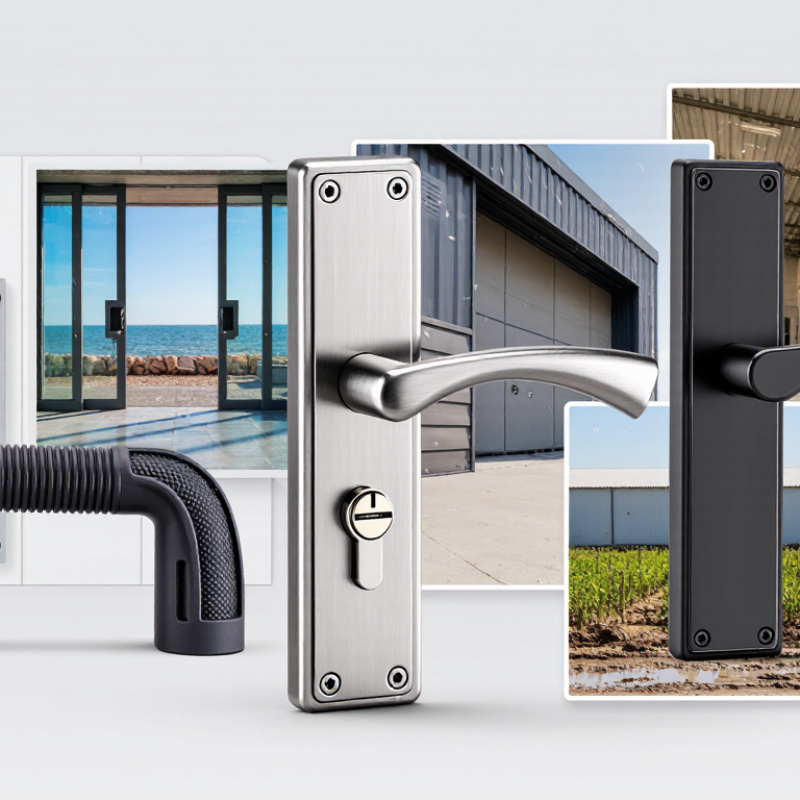
By 2026, buyers around the world are looking at Weatherproof Handles with a much sharper eye on durability, safety, and overall lifecycle value. After all, these parts have to deal with rain, salt spray, UV rays, dust, and plenty of repeated grabbing and pulling. A coastal entrance is going to need different protection than, say, an indoor warehouse door. And honestly, small hardware choices can lead to surprisingly big maintenance costs.
This guide looks at stainless steel, coated aluminum, reinforced polymers, and corrosion-resistant finishes. It also digs into sealing methods, drainage design, grip comfort, fastener quality, and how consistently everything gets installed. A reliable evaluation should include documented material data, lab testing, supplier experience, and real-world field performance. Handles need to be judged under realistic conditions too—freezing mornings, hot sunlight, muddy work gloves, all of it. They also have to match the door, lock, frame, and the kind of traffic they’ll actually see.
Looks alone don’t determine performance. A polished surface can still hide weak plating or poor internal protection, and that’s worth paying attention to. Global buyers should ask for test reports, warranty terms, batch traceability, and clear maintenance guidance from established manufacturers. Regional building requirements and accessibility expectations can differ, so checking locally is still essential. Some products marketed as “all-weather” may perform well, but the evidence behind them can be incomplete. That’s a useful warning.
The overview below highlights leading 2026 options for commercial, residential, marine, agricultural, and industrial projects. It compares practical strengths instead of promising one universal solution. Weatherproof Handles should support long service life, comfortable operation, and predictable replacement planning. In the end, real-world reliability matters more than a dramatic specification sheet.
What defines a top weatherproof handle in 2026? It must survive moisture, sunlight, dust, and repeated daily use. Material selection matters, but appearance can mislead. Stainless steel may resist corrosion, yet poor finishing can leave stains around joints. Reinforced polymers can perform well when they include UV stabilizers and suitable impact resistance. The best choice depends on climate, door weight, and installation location.
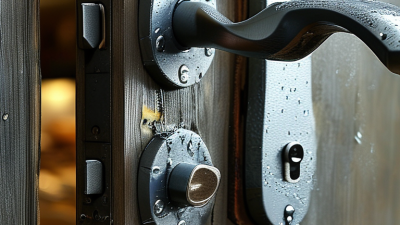
Sealing details reveal real quality. Look for protected springs, covered fasteners, and drainage paths that prevent trapped water. A firm grip should remain comfortable with wet or gloved hands. Edges must feel smooth, without sharp corners or weak plastic flash. During product checks, buyers should test repeated pulling, temperature changes, and salt exposure when coastal use is expected. Small failures often start inside the handle.
Testing evidence supports reliable purchasing. Ask for material data, load results, corrosion testing, and clear maintenance instructions. Check whether the stated performance matches the actual installation environment. A handle rated for mild indoor humidity may fail beside an open loading bay. I have seen buyers focus on finish while ignoring screw quality and wall strength. That mistake is easy to repeat. Weatherproof design also requires correct installation, compatible screws, and regular inspection. No handle is maintenance-free. Condensation, grit, and loose fasteners still demand attention. Global buyers should also confirm dimensions, replacement availability, packaging protection, and consistent quality across production batches.
For Weatherproof Exterior Door Handles, material choice matters more than appearance. Outdoor exposure is rarely gentle. Rain enters joints, sunlight fades finishes, and coastal air accelerates corrosion.
Marine-grade stainless steel offers strong resistance against moisture and salt. It suits seaside homes, commercial entrances, and frequently used gates. Lower-grade stainless steel can still stain under harsh conditions. This detail is often overlooked. Solid brass performs well outdoors, especially with a protective coating. However, its surface may darken over time. That change is not always a defect. Some buyers may prefer its aged appearance.
Aluminum is lightweight and resists rust, but it can show surface oxidation. A durable powder coating improves color stability and scratch protection. Zinc alloy handles can provide good value, yet exposed edges may weaken sooner in wet climates. I would inspect the finish, screw holes, and spring mechanism together. A perfect handle body cannot compensate for poor hardware. Manufacturers should also test salt spray, ultraviolet exposure, and repeated operation. Test results help, but they do not copy every local climate. In my view, drainage design deserves more attention. Water trapped beneath a rose plate often causes avoidable corrosion. Small installation errors matter. Stainless fasteners, sealed joints, and regular cleaning can extend service life, although maintenance is sometimes neglected.
| Material / Construction | Outdoor Weather Resistance | Resistance to Salt Air and Chlorides | UV and Temperature Performance | Typical Outdoor Applications | Key Advantages | Important Limitations | Recommended Buyer Priority |
|---|---|---|---|---|---|---|---|
| 316 or 316L Stainless Steel | Excellent Strong corrosion resistance when properly finished and maintained. | Excellent Molybdenum content provides better resistance to chloride exposure than common 304 stainless steel. | Unaffected by normal outdoor UV exposure; performs well across common outdoor temperature ranges. | Coastal doors, marine facilities, pool areas, exterior gates, public infrastructure and high-humidity locations. | High strength, durable appearance, low maintenance and strong resistance to pitting in many coastal environments. | Higher material cost; surface contamination, crevices and poor drainage can still cause staining or corrosion. | Best overall choice for severe coastal, marine or high-humidity environments. |
| 304 Stainless Steel | Very Good Reliable for general exterior use when the surface is correctly finished. | Good Suitable for many outdoor locations, but less resistant to chloride attack than 316/316L. | Excellent UV stability and good dimensional stability in normal outdoor conditions. | Residential and commercial exterior doors, equipment cabinets, outdoor furniture and general Architectural Hardware. | Good balance of corrosion resistance, strength, availability and cost. | May tea-stain, pit or corrode faster in marine atmospheres, salt spray or areas exposed to de-icing salts. | Best value for general outdoor installations away from direct marine exposure. |
| Anodized Aluminum | Very Good The anodized surface improves corrosion and wear resistance compared with untreated aluminum. | Good Suitable for many coastal applications when the anodizing quality, sealing and design are appropriate. | Good UV performance; color and surface durability depend on the anodizing process and finish quality. | Lightweight doors, outdoor cabinets, transport equipment, architectural panels and access covers. | Low weight, good strength-to-weight ratio, attractive finishes and no red rust. | Can suffer galvanic corrosion when joined directly to incompatible metals; soft aluminum may deform under high loads. | Strong choice where low weight and corrosion-resistant surface finishes are important. |
| Powder-Coated Aluminum or Steel | Good to Very Good Performance depends heavily on substrate preparation, coating thickness and edge coverage. | Moderate to Good Coating damage, scratches and unsealed cut edges can allow corrosion to begin underneath. | Good when a weather-stable exterior powder coating is selected; some colors may chalk or fade over time. | Exterior cabinets, industrial enclosures, gates, utility equipment and architectural hardware. | Wide color selection, good visual consistency and an economical way to protect metal substrates. | Impact damage, poor pretreatment and UV-sensitive coatings can reduce service life; touch-up areas may be visible. | Choose for appearance and color matching when coating specifications and quality control are documented. |
| Marine-Grade Brass | Good Solid brass is durable outdoors and develops a natural patina unless protected by a suitable finish. | Good Use dezincification-resistant brass for demanding water, marine or high-moisture conditions. | Good temperature stability; lacquered or plated finishes require periodic inspection and maintenance. | Traditional exterior doors, heritage buildings, decorative gates and architectural hardware. | High durability, good machinability, distinctive appearance and strong resistance to many atmospheric conditions. | Untreated brass changes color; unsuitable alloys may suffer dezincification in aggressive water environments. | Good option when appearance and traditional styling are as important as corrosion resistance. |
| UV-Stabilized Engineering Polymer (PA, POM or ASA, as specified) | Good Suitable grades can withstand outdoor exposure, but performance varies significantly by resin and UV stabilizer package. | Excellent Does not rust and is generally resistant to salt water; chemical compatibility must still be checked. | ASA generally provides strong weatherability; UV-stabilized PA and POM can perform well but may have moisture or temperature-related dimensional changes. | Lightweight handles, outdoor equipment, electrical enclosures, machinery guards and consumer products. | Light weight, electrical insulation, corrosion-free performance and comfortable surface temperature compared with metal. | Lower stiffness and load capacity than metal; unverified grades may discolor, embrittle or crack under prolonged UV exposure. | Choose only when the supplier provides the polymer grade, UV specification and verified outdoor test data. |
| Zinc Alloy with Exterior-Grade Finish | Moderate to Good Suitable for protected outdoor use when plating, sealing and drainage are well controlled. | Moderate More vulnerable than 316/304 stainless steel if the coating is damaged or the handle remains wet. | Base metal is stable, but decorative coatings may fade, blister or lose adhesion under prolonged UV and moisture exposure. | Covered entrances, sheltered cabinets, Decorative Hardware and cost-sensitive exterior applications. | Good casting detail, design flexibility and cost efficiency. | Not the first choice for direct marine exposure, standing water, abrasive environments or high-cycle heavy-duty use. | Use for sheltered outdoor locations with documented coating, sealing and corrosion-test requirements. |

Global buyers need weatherproof handles that match local climate, not just attractive product photos. In humid coastal regions, salt mist attacks exposed metal and weakens small springs. Security Door Handles should use corrosion-resistant alloys, sealed joints, and drainage paths. A smooth surface also helps remove salt deposits after storms.
Hot, dry climates create different stress. Strong sunlight can fade coatings, while high temperatures expand metal parts and affect fitting accuracy. In tropical areas, heavy rain tests every gap around the handle and door. I prefer designs with covered fixings and tested seals. Small details matter. A loose escutcheon can collect water.
Cold regions bring freeze-thaw cycles. Water enters tiny spaces, freezes, and pushes components apart. Handles need low-temperature lubricants, stable dimensions, and strong return springs. Field inspections often reveal problems that laboratory tests miss, especially after months of dust, rain, and repeated use. No design is perfect. Even durable finishes may scratch around keyholes or mounting screws. Buyers should check cleaning guidance, replacement parts, and installation tolerances before ordering large quantities. Climate data helps, but local installer feedback can expose practical weaknesses.
Climate-based design priorities for weatherproof handles across major global exposure conditions. The 1–5 index reflects relative engineering priority: 1 = lower priority and 5 = highest priority. Corrosion resistance includes salt and de-icing exposure; UV stability covers sunlight and heat aging; sealing covers rain, humidity, dust, and freeze–thaw protection.
For broad international use, handles combining corrosion-resistant metal, UV-stable finishes, drainage-friendly geometry, and sealed mounting points provide the most balanced protection across climates.
Weatherproof handles should match the door’s location, use, and exposure level. Stainless steel handles suit coastal entrances, commercial buildings, and rainy climates. Choose marine-grade alloys when salt spray is frequent. Powder-coated aluminum offers lighter weight for gates and outdoor cabinets. It also provides many color options. However, coating quality matters more than appearance. Scratches can expose the base metal and encourage corrosion.
For residential interiors near sheltered entrances, Wood Door Handles can create warmth while remaining practical. Select sealed timber, protected metal fittings, and rounded edges that feel comfortable after repeated use. Heavy-use doors need strong through-bolts and tested return springs. Sliding doors require low-friction pulls instead. Industrial sites may benefit from antimicrobial surfaces and textured grips, especially where gloves are common. No handle is maintenance-free. I have seen beautiful finishes fail because water collected around the fixing plate.
Tips: Check drainage gaps before installation. Ask suppliers for corrosion-test data, load ratings, and cleaning instructions. Compare performance in humidity, frost, dust, and direct sunlight. A handle suitable for one region may underperform elsewhere. Inspect screws and seals every few months, particularly on exposed doors. Avoid harsh cleaners, even when stains seem stubborn. Testing assumptions is worthwhile; real weather often behaves worse than product samples suggest.
For 2026 weatherproof handles, buyers should examine product safety evidence before comparing finishes or prices. A polished surface proves little. Check whether the handle meets EN 1906 or another relevant regional hardware standard. These standards may assess durability, corrosion resistance, operating cycles, and user safety.
For outdoor projects, confirm the test environment. Salt-spray results should state the testing method, exposure hours, and coating condition afterward. UV resistance matters in sunny regions. Temperature testing matters where winter mornings freeze metal surfaces.
If the handle protects an electrical enclosure, verify its IP rating and the exact test scope. An IP rating does not automatically prove mechanical strength.
Ask for current certificates, complete test reports, and laboratory details. The laboratory should hold ISO/IEC 17025 accreditation for the relevant tests. Confirm that the report matches the precise model, material, finish, and fixing method. ISO 9001 can support production consistency, but it is not a product safety certificate. Depending on the destination, buyers may also need conformity documents for chemical restrictions, recycling rules, or local construction requirements. Check CE or UKCA requirements only when the product category legally requires them. Requirements can differ by use and market.
Request batch traceability and inspection records. That small detail often reveals weak quality control. I would also test samples after installation, not only before shipment. Field conditions are messier than laboratory conditions. A missing document may be an honest oversight, but it still deserves clarification.
For global buyers, weatherproof handles should be compared through service conditions, not catalog appearance. Sliding Door Handles may face salt air, ultraviolet exposure, freezing temperatures, and repeated impact. Request the base metal, coating thickness, salt-spray hours, and operating-cycle results. ISO 9223 helps classify atmospheric corrosion risk, while ASTM B117 testing can reveal coating weaknesses. However, salt-spray hours are not a perfect forecast of real coastal performance.
Quality also affects building efficiency. The UNEP and GlobalABC 2024 Global Status Report states that buildings consumed 32% of global energy and produced 34% of global carbon emissions in 2023. Handles do not create major energy savings alone, but poor seals, loose screws, and distorted latches can weaken door performance. Check screw retention, gasket compatibility, drainage design, and temperature testing. Ask for independent laboratory reports, not only supplier photographs. Small details matter.
Cost comparison should include replacement risk, packaging, lead time, and warranty response. A low quotation may hide thin coatings or inconsistent machining. The World Bank’s Commodity Markets Outlook has repeatedly highlighted volatility in industrial-metal prices, so fixed pricing needs a clear validity period. Compare three suppliers using the same specification sheet and sample approval process. Visit a factory when possible. I would not trust a perfect sample alone; batch consistency is harder to prove. Request inspection records, corrective-action procedures, and references from similar climates. Suppliers should explain defects plainly. That is a useful reliability test.
Stainless steel handles suit coastal entrances, rainy climates, and busy commercial doors. Marine-grade alloys help where salt spray is frequent. Inspect them regularly.
Yes, they are lightweight and offer many color choices. However, coating quality matters more than appearance. A deep scratch can expose metal and encourage corrosion.
Sealed timber handles can add warmth near protected entrances. Choose protected fittings and rounded edges for comfortable daily use. Water still causes trouble.
Heavy-use doors need strong through-bolts and tested return springs. These parts help the handle withstand repeated operation. Weak fixings become loose.
Sliding doors usually need low-friction pulls instead of spring-return handles. The pull should feel smooth and provide a secure grip. Test the movement directly.
Request current certificates, complete test reports, and laboratory details. Check the precise model, material, finish, and fixing method. A polished surface proves little.
Ask for salt-spray methods, exposure hours, and the final coating condition. UV testing matters in sunny regions. Freeze testing matters in cold climates. Laboratory samples may look better than real weather.
Check drainage gaps before installation. Inspect screws and seals every few months, especially on exposed doors. Use suitable cleaning methods and avoid harsh cleaners. No handle is maintenance-free.
In 2026, top Weatherproof Handles are defined by dependable performance, long service life, ergonomic comfort, and resistance to rain, humidity, UV exposure, salt air, temperature changes, and repeated use. Materials such as stainless steel, coated aluminum, reinforced engineering polymers, and corrosion-resistant alloys can provide strong outdoor protection when matched with suitable finishes, seals, and fasteners. Handle design should also reflect the installation climate: drainage and corrosion resistance are important in coastal areas, UV stability matters in sunny regions, and low-temperature toughness is essential in cold environments.
Different applications may require pull handles, lever handles, cabinet handles, access hardware, or heavy-duty industrial designs. Global buyers should review load capacity, surface treatment, testing methods, safety requirements, and relevant regional certifications before purchasing. A balanced comparison should include material quality, dimensional accuracy, warranty support, production consistency, minimum order quantities, delivery capability, and total cost over the product’s service life. Choosing a reliable supplier with clear documentation and quality controls can help ensure that Weatherproof Handles perform safely and consistently across international markets.